What is a Mastoidectomy?
A mastoidectomy is a surgical procedure performed to remove infected or damaged tissue from the mastoid bone, which is located behind the ear. The mastoid bone contains small air-filled spaces known as mastoid air cells, which connect to the middle ear. When severe ear infections spread to these air cells, they can cause inflammation, damage, or serious complications if left untreated.
This procedure is commonly used to treat conditions such as chronic ear infections, mastoiditis, and cholesteatoma (an abnormal skin growth in the middle ear). Mastoidectomy may be done with other ear surgeries, like cochlear implant placement.
The main goal of mastoidectomy is to eliminate infection, remove abnormal growths, and prevent complications affecting the brain, hearing, or surrounding structures. The surgery is typically performed by an ear, nose, and throat (ENT) specialist under general anesthesia in a hospital setting.
Who May Need a Mastoidectomy?
A mastoidectomy may be recommended for individuals who have:
● Mastoiditis, a severe infection of the mastoid bone
● Chronic middle ear infections (chronic otitis media) that do not respond to medication
● Cholesteatoma, a non-cancerous growth behind the eardrum
● Ear infections that spread to nearby structures
● Complications of untreated ear infections, such as abscesses or meningitis
● Need for surgical access during cochlear implant placement or other ear surgeries
Your doctor will evaluate symptoms, medical history, hearing tests, and imaging scans before recommending this procedure.
Types of Mastoidectomy
There are different types of mastoidectomy depending on the extent of disease and surgical goals.
1. Simple (Cortical) Mastoidectomy
Only the infected mastoid air cells are removed while preserving most ear structures.
2. Canal Wall Up Mastoidectomy
The ear canal wall is preserved while removing infected mastoid cells. This helps maintain normal ear anatomy.
3. Canal Wall Down Mastoidectomy
The ear canal wall is removed along with infected tissue to create a larger cavity that helps prevent recurring infections.
4. Radical Mastoidectomy
A more extensive procedure where much of the middle ear structure may be removed in severe cases.
The choice of procedure depends on the severity of infection, presence of abnormal growths, and the patient’s overall ear condition.
Mastoidectomy Procedure
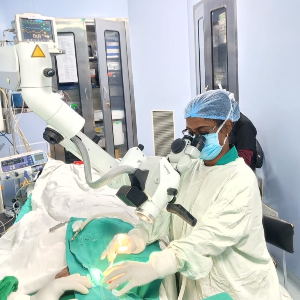
A mastoidectomy is usually performed under general anesthesia and typically takes 2–3 hours.
1. Preparation
The doctor reviews your medical history, imaging scans, and hearing tests before the surgery.
2. Anesthesia
General anesthesia is administered so the patient remains asleep and pain-free during the procedure.
3. Surgical Incision
The surgeon makes a small incision behind the ear to access the mastoid bone.
4. Removal of Infected Tissue
Using specialized surgical instruments or a bone drill, the surgeon removes infected mastoid air cells and diseased tissue.
5. Cleaning and Reconstruction
If necessary, the surgeon may repair or reconstruct parts of the middle ear or prepare the area for additional procedures.
6. Closure
The incision is closed with stitches, and a dressing or bandage is applied to protect the surgical site.
Recovery & Aftercare
Recovery after mastoidectomy varies depending on the type of surgery and the patient’s health.
Common aspects of recovery include:
● Hospital stays: Some patients stay overnight for monitoring.
● Mild pain or discomfort: Managed with prescribed medication.
● Bandage or drain: May be placed behind the ear to prevent fluid buildup.
● Ear care: Patients should keep the ear dry and avoid getting water inside it during healing.
Most people can return to normal activities within 1–2 weeks, although complete healing may take 6–12 weeks.
Follow-up visits with the doctor are important to monitor healing and ensure that the infection has been fully removed.
Risks & Possible Complications
Mastoidectomy is generally a safe procedure, but potential risks may include:
● Infection or bleeding at the surgical site
● Hearing loss
● Dizziness or vertigo
● Facial nerve injury
● Changes in taste sensation
● Recurrence of infection or disease.
Doctors take precautions during surgery to minimize these risks and ensure a safe recovery.

 Otolaryngology
 ENT
ENT
 Pediatric Otolaryngology


 Surgery