MBBS- MD- Sports Medicine
Dr. Aditya Sood is a distinguished medical professional specializing in Sports Medicine. He earned his MD in Sports Medicine, equipping him with advanced exp…
802 doctors in India — verified profiles, ratings, fees and clinic or online consultation.
MBBS- MD- Sports Medicine
Dr. Aditya Sood is a distinguished medical professional specializing in Sports Medicine. He earned his MD in Sports Medicine, equipping him with advanced exp…
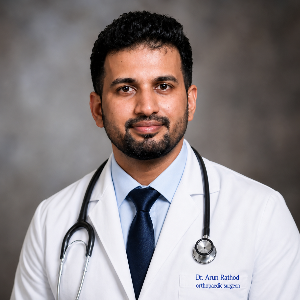
Joint Replacement & Orthopedic surgeon
Dr Arun Rathod is an Orthopaedic & Joint Replacement Surgeon in Shivamogga specializing in knee pain, arthritis, fractures, sports injuries, ACL tears, spine…
M.B.B.S- M. S- Orthopedics- M.Ch- Spine Surgeon
Dr Samarth Mittal is a well Known Orthopaedician and internationally trained Spine Surgeon in New Delhi. He is MBBS (Gold Medallist, Delhi), MS Orthopaedics…
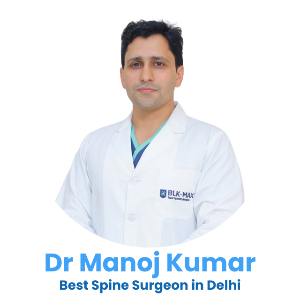
Orthopedic Spine Surgeon
Dr. Manoj Kumar is a highly skilled Orthopedic and Minimal Invasive Spine Surgeon in Delhi, working as a Consultant at BLK Max Hospital, Rajinder Nagar, and…
Senior Consultant Orthopaedics, Joint Replacement & Sports injuries
Dr. Anupam is an alumnus of India’s most prestigious medical institution, AIIMS, New Delhi. His extensive experience, clinical acumen, and empathetic approac…
MBBS, MCh - Neuro Surgery
Dr Umesh Srikantha (MBBS, MCh (Neurosurgery), Fellowship in Minimally Invasive Spine Surgery) is a highly respected neurosurgeon specializing in spine surger…
MBBS, DNB - General Medicine, DM - Neurology
Dr. Rima Chaudhari completed her D.M Neurology from AIIMS, New Delhi in 2014. She has also completed a clinical fellowship in Epilepsy and Clinical Neurophys…
MBBS, DNB - General Medicine, DM - Neurology
Dr. Shirish M. Hastak is MD (Medicine) and DM (Neurology) and a senior consultant neurologist with vast experience of 30 years in the field of neurology and…
MBBS, MS - General Surgery, MCh - Neuro Surgery
Dr. Gurneet Singh Sawhney is among the new breed of hi-tech Neurosurgeons in India, who have been trained in the era of minimally invasive surgery and highly…
MBBS, DNB - Neurology
Dr. Dhanashri Chonkar is a Neurologist in Mulund West, Mumbai and has an experience of 34 years in this field. Dr. Dhanashri Chonkar practices at Fortis Hosp…
MBBS, MS - General Surgery, DNB - Neurosurgery
Dr. Diyora is highly skilled in the management of cerebrovascular disorders using both surgical techniques and minimally invasiveendovascular procedures. His…
MBBS, DNB - General Medicine, DM - Neurology
Dr. Rajesh Benny has an experience of 18 years in this field.He completed MBBS from Grant Medical College and Sir JJ Hospital, Mumbai in 1999, DNB - General…
Showing 1–12 of 802
A laminectomy is a surgical operation on the spine in which the doctor removes all or part of the lamina (the bone that forms the back of a vertebra) to create more space in the spinal canal. This space holds the spinal cord and nerves. The main goal of laminectomy is to reduce pressure on the spinal cord and nerves, which can help lessen pain, numbness, weakness, or tingling caused by nerve compression. It is often done when treatments like physical therapy and medicine do not ease symptoms.
Laminectomy can provide several benefits for people with nerve irritation or spinal pressure:
· Relieves nerve pressure: By removing the lamina, more room is created in the spinal canal, easing pressure on nerves that cause pain or weakness.
· Reduces radiating pain: Pain that travels down the legs or arms (like sciatica) often improves after surgery.
· Improves mobility and function: Less nerve compression can help people walk, stand, and bend better.
· Allows better daily activity: Reduced pain and improved function can make daily tasks easier.
· Minimally invasive options: Some techniques use small cuts and special tools to reduce recovery time.
Laminectomy may be recommended when:
· There is spinal stenosis (narrowing of the spinal canal).
· Symptoms like pain, numbness, or weakness aren’t improving with physical therapy or medicine.
· You have a herniated disc pushing on nerves.
· Bone spurs or growths are pressing on the spinal cord/nerves.
· Symptoms seriously affect walking, standing, or daily activity.
1. Anesthesia: You will receive general anesthesia, so you are asleep and do not feel pain during surgery.
2. Incision and removal: The surgeon makes a cut in the back over the affected vertebrae and carefully removes part or all of the lamina. This creates more space for the nerve and spinal cord.
3. Pressure relief: Removing the lamina reduces compression on spinal nerves, which often lessens pain and improves mobility.
4. Closure and dressing: The incision is stitched or stapled closed, and a dressing is applied before moving to the recovery area.
Laminectomy is performed in a hospital operating room by a qualified spine surgeon. The surgery typically lasts 1–3 hours, but this can vary depending on how many spinal levels are treated. After surgery, most patients stay in the hospital for 1–3 days for rest, monitoring, and early recovery.
Laminectomy is generally safe, but like all surgeries, it has possible risks:
Common or expected issues:
· Pain or tenderness at the surgical site.
· Swelling or mild discomfort.
Possible risks:
· Infection at the surgery site.
· Bleeding during or after the procedure.
· Nerve injury or numbness.
· Spinal fluid leak (rare).
· No pain relief or recurrence of symptoms.
Doctors will discuss all risks and how to prepare before surgery so you can make an informed decision.

It is used to remove part of the vertebra (the lamina) to create space in the spinal canal and reduce pressure on the nerves or spinal cord that cause pain, numbness, or weakness.
You will not feel pain during the surgery because of general anesthesia. After surgery, mild pain or soreness near the incision is normal but manageable with medicines.
Most laminectomy procedures take about 1–3 hours depending on how many levels of the spine are involved.
Yes. Risks include infection, bleeding, nerve injury, spinal fluid leaks, and sometimes no complete relief of symptoms. Doctors will discuss these before surgery.
Hospital stay is usually 1–3 days, and returning to light activities often takes a few weeks. Complete healing and return to normal activities may take several weeks.
Yes. By reducing nerve pressure and pain, many patients can walk, stand, and do daily tasks with more comfort.
It can be safe when done for the right reasons and with proper care, but risks can increase with age and other health issues.
Laminectomy is most effective at relieving nerve-related pain (like leg pain from spinal stenosis), but it may not always completely cure back pain itself.