Find a doctor

Immunization doctors in India

75 doctors in India — verified profiles, ratings, fees and clinic or online consultation.

Looking for a doctor for Immunization in India? Browse 75 verified doctors who perform Immunization — compare specialities, qualifications, patient ratings and consultation fees, and book a clinic or online appointment that suits you.

75 doctors All procedures →
Filters & sort

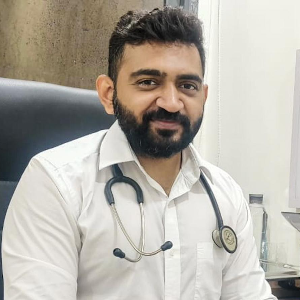
Dr Ilesh Patel

Verified

Pulmonologist

Pulmonology
Radhe Multispeciality Hospital · Gandhinagar, Gujarat

Dr. Ilesh Patel is a Doctor in Kudasan, Gandhinagar and has an experience of 9 years in this field. Dr. Ilesh Patel practices at Radhe Multispeciality Hospit…

Consultation fee₹500

Dr Siraj Khanam

Verified

Pediatrician and neonatologist

Pediatrics
Siraj Newborn and child clinic · Nellore, Andhra Pradesh

I am Dr. Siraj khanam, a Consultant Pediatrician and Neonatologist with extensive training and experience in child health and neonatal care. I have completed…

Consultation fee₹300

DCH

Ayurveda
AADHAR CLINIC · Pune, Maharashtra

Contributions to Healthcare Dr. Shrikrushnasobaji is dedicated to advancing healthcare services and has made significant contributions to the field of medici…

1 Award
Consultation fee₹300

MD PAEDIATRICS

Pediatrics Pediatric Emergency Medicine
Annapurna Charitable Hospital · Meerut, Uttar Pradesh

I am a dedicated Pediatrician committed to providing comprehensive healthcare for newborns, infants, children, and adolescents. My approach focuses on preven…

Consultation fee₹250

BAMS- ayurevda, gynaecology

Ayurveda
Sharma clinic · Ambala, Haryana

Hello! I am an Ayurveda Doctor. Specialised in gynaecology. I am a young and enthusiastic doctor and treat all my patients with utter care and respect. I hav…

2 Awards
Consultation fee₹100

MD (m.b.b.s) General Physician

Internal medicine Family Medicine
Dr. Darshan patel · Ahmedabad, Gujarat

Kind,caring, compassionate, non-judgemental, active listener & experienced Doctor. Has been working at Dr.m.k.shah medical college/smt.S.M.S multy-speciality…

Consultation fee₹200

Dr Vishal Parmar

Verified

DCH MRCPCH (UK) fellow In Neonatology, Pediatrician

Pediatrics
Shri Hari Child Clinic · Mumbai, Maharashtra

A highly skilled pediatrician with over 13 years of experience in the field of child health, Dr. Vishal Parmar earned his MBBS degree from BJ Medical College…

Consultation fee₹1000

Senior Consultant Newborn & Child Specialist MD ( Pediatrics)

Pediatrics Neonatal-Perinatal
Dr A K Gupta MD Pediatrics Newborn & Chid Specialist: Riddhi Siddhi Clinic · Delhi +1 more

Senior Consultant Newborn & Child Specialist with 40 years of experience. Expert in managing all types of newborn diseases and various diseases in children l…

1 Award
Consultation fee₹800 – ₹1000

MBBS General Physician

Internal medicine Family Medicine
VARDHAMAN CLINIC · Mumbai, Maharashtra

Myself Dr.Surabhi Doshi. MBBS doctor. I have 7 years of experience in clinics and hospitals. I'm experienced in treating all kinds of patients as a General p…

Consultation fee₹200

General Physician

General Physician
Meditrust Clinic · Nagpur, Maharashtra

I’m Dr. Komal Vijay Fulmali, Consultant Physician (MBBS, MD Medicine), dedicated to compassionate, patient-focused care. I believe even small symptoms can re…

Consultation fee₹500

Dr Sandeep T

Verified

Infectious Diseases Specialist

Internal medicine
Sanjeevi Diagnostics · Bengaluru, Karnataka

Well experienced Infectious diseases specialist to diagnose common infections like typhoid, dengue, malaria and fungal skin infections. Expert in treating al…

Consultation fee₹400

Dr Ankit Kochhar

Verified

General physician consultant

Internal medicine Family Medicine
Doctors Plaza · Delhi

Compassionate Doctor with a successful background in the diagnosis, treatment, and management of patient illnesses and diseases. Acclaimed for making informe…

Consultation fee₹1000

Showing 1–12 of 75

Immunization doctors by city

Introduction

Immunisation, also called vaccination, is a simple and safe way to protect people from harmful diseases before they get sick. When we get immunised, a small harmless part of a germ or a weakened version of it is introduced into the body. This teaches the immune system how to fight that germ if it ever tries to invade in the future. The immune system remembers the germ and reacts quickly the next time, helping prevent illness or reduce its severity.

Immunisation has been one of the most important achievements in public health. Because of vaccines, many dangerous diseases like polio, tetanus, diphtheria, measles, and whooping cough have become rare or well-controlled in countries that follow regular vaccination programmes. Children, adults, and elderly people all benefit from immunisation, but the timing and type of vaccine differ depending on age, health condition, and risk factors.

Who Needs Immunisation?

Almost everyone benefits from immunisation, but the exact schedule depends on age and health needs. Common groups who need vaccines include:

● Infants and children to protect against childhood diseases like polio, measles, mumps, rubella, and chickenpox

● Adults for tetanus, influenza (seasonal flu), Covid-19, and other age-related vaccinations

● Pregnant women to protect both mother and baby

● Elderly people for flu, pneumonia, and other age-related diseases

● People with certain health conditions whose immune systems may be weaker

● Travelers for protection against diseases common in other countries

Doctors use national or international immunisation schedules to recommend which vaccines are needed and when. Following these schedules helps keep you and your family protected at the right time.

Types of Immunizations

There are different types of vaccines, created to prepare the immune system without causing real disease. A few common types include:

1. Live Attenuated Vaccines: Contain a weakened form of the germ (e.g., some measles or rotavirus vaccines).

2. Inactivated Vaccines: Use a killed version of the germ (e.g., polio, hepatitis A).

3. Subunit/Conjugate Vaccines: Contain only parts of the germ (e.g., Hib, HPV, pneumococcal).

4. mRNA Vaccines: Teach cells to make a harmless piece of germ protein (e.g., some Covid-19 vaccines).

5. Toxoid Vaccines: Use a harmless version of a toxin produced by the germ (e.g., tetanus, diphtheria).

The choice of vaccine depends on the disease, the target age group, and overall effectiveness and safety.

Immunization Process

Getting immunised is usually quick and straightforward. At a clinic:

1. A healthcare worker checks your basic health, asks about allergies, and reviews your immunisation history.

2. You (or a guardian) are informed about the vaccine and possible side effects, then consent is taken.

3. The vaccine is usually given as a small injection in the arm or thigh, though some may be oral (like rotavirus).

4. After vaccination, you may be observed for a short time to watch for rare immediate reactions.

5. Your vaccination is recorded in a log or card, so it’s easy to track future doses.

The whole visit often takes less than 30 minutes, and the shot itself is quick. Most people only feel a small pinch or slight pressure when the needle goes in.

Aftercare

There’s not much “recovery” needed after immunisation, but following a few simple steps helps your body respond comfortably:

● Take it easy for a few hours after the vaccine, especially if it’s your first dose.

● Drink water; this helps your immune system work better.

● Mild reactions are common and normal (see below).

● If you feel soreness at the injection site, a cool compress or gentle movement helps.

● If multiple doses are needed, keep track of dates for follow-up shots.

Immunisation doesn’t require you to lie in bed or avoid daily life. Most people go about their normal routine immediately.

Common Side Effects

Vaccines are very safe, but mild reactions sometimes happen. These typically disappear within a day or two:

- Soreness or redness at the injection site

- Low-grade fever

- Tiredness or mild fatigue

- Minor headache or muscle ache

These responses are usually mild signs that the immune system is responding to the vaccine. Serious reactions are extremely rare and are monitored closely by medical staff if they occur.

Benefits of Immunization

Immunisation protects not just individuals but whole communities. Some key benefits include:

● Prevents serious illnesses: Many diseases that were once common and dangerous are now rare.

● Reduces hospital visits: Fewer infections mean fewer emergency room and hospital stays.

● Protects vulnerable people: those who can’t get vaccinated (very young infants, certain immune conditions) benefit when many others around them are immune, a concept called “herd immunity”.

● Saves money: Treating disease and its complications is much more expensive than preventing it in the first place.

● Supports lifelong health: Some vaccines also protect adults and the elderly from serious complications.
Frequently asked questions

What is immunisation?

Immunisation is the process of giving vaccines to help the body build defence against diseases. It teaches the immune system to recognise and fight germs, so you are protected if you encounter the real disease later. It’s a safe and effective way to prevent serious illness.

Does immunisation hurt?

Most vaccines are given as shots, so you may feel a slight pinch or pressure when the needle goes in. It’s quick and usually over in seconds. Some vaccines are oral (no needle). Mild soreness afterward is normal.

Are vaccines safe?

Yes, vaccines are tested very carefully before they are used. They are monitored for safety even after approval. Mild side effects like soreness or low fever are common, but serious reactions are very rare. Your doctor explains risks and benefits before giving a vaccine.

When should children get vaccinated?

Children follow a vaccination schedule that starts from birth and continues through early childhood. These schedules are designed to protect kids at the ages when they are most vulnerable. Your paediatrician or public health guidelines explain exact timing.

Can adults get vaccines too?

Yes, adults need vaccines as well. Tetanus boosters, flu shots every year, Covid-19 boosters, and other adult vaccines help keep immunity strong. Your doctor can recommend which vaccines you need based on age and health.

Do vaccines weaken the immune system?

No, vaccines don’t weaken your immune system. They help it learn how to recognise and fight specific germs. Immune systems handle thousands of harmless microbes daily; a few vaccine antigens are a tiny part of that.

Chat Support