Find a doctor

Hernia Repair doctors in India

11 doctors in India — verified profiles, ratings, fees and clinic or online consultation.

Find Best Hernia Repair Surgery

11 doctors All procedures →
Filters & sort

MBBS, M.S GENERAL SURGEON

General Surgeon
Online Consultation · Chandigarh

I’m a General Surgeon currently practicing at MM Medical College as an Assistant Professor. I specialize in laparoscopic surgeries and perform all routine ge…

Consultation fee₹150

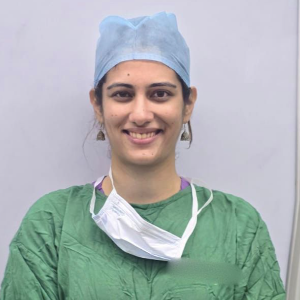
Dr Apoorva Makan

Verified

Pediatric Surgeon in Pune

Pediatric Surgery Pediatric Gastroenterology Pediatric Urology
Borhade Heart Care, Ravet · Pune, Maharashtra

Dr. Apoorva Makan is a 4 times Gold Medalist Pediatric Surgeon in Pune & Pimpri Chinchwad with expertise in Pediatric Urology, Pediatric Gastroenterology, Pe…

Consultation fee₹1000

MS - General Surgeon

Surgery
Online Consultation · Thane, Maharashtra

Proctologist Expert and experience in many types of surgery Can communicate in English, Marathi and Hindi Excellent at patient care and emergency case manage…

Consultation fee₹700

MS- General Surgery

Surgery
Online Consultation · Delhi

Dr. Sumit Srivastava is a highly skilled general surgeon specializing in complex surgical procedures. He earned his M. General Surgery from D Y Patil Univers…

Consultation fee₹500

Dr Lijo Eliyas

Verified

MBBS, DNB General Surgery, MNAMS, FIAGES, FMAS, FISCP, MMAS (Upper GI and Bariatric Surgery), FALS Robotics

General Surgeon
Welcare Hospital · Ernakulam, Kerala

General, Minimal access, Robotic and Bariatric Surgeon. Dedicated and experienced Surgeon with strong track record of success in treating general and advance…

Consultation fee₹250

Dr Rishab Jain

Verified

M.S. General Surgeon

Internal medicine
Smimer Medical College · Surat, Gujarat

I have a work experience of 2 years in field of General surgery at Smimer hospital, surat. I have performed various operation -hernia, appendix, hydrocele ,…

Consultation fee₹300

MS-General surgery

General Surgeon
MVJ Medical College and Research Hospital, Bangalore · Bengaluru, Karnataka +1 more

I am Dr. Ganeshlakshman L, a qualified General Surgeon who completed residency at Mysore Medical College and Research Institute (MMCRI). I am passionate abou…

Consultation fee₹500

Dr Sandeep Verma

Verified

MBBS, DNB - General Surgery

General Surgeon
Advanced Laparoscopic Hernia and Gastro Surgeon · Ambala, Haryana

Advanced Laparoscopic Hernia and Gastro Surgeon - Since beginning my journey in this field, my dedication to the work and motivation to grow have led me to e…

Consultation fee₹500

MS - General Surgery

General Surgeon Colorectal Surgery
Shetty Nursing Home / Jyoti Polyclinic · Mumbai, Maharashtra

I’m a Consultant Laparoscopic and General Surgeon practicing in Mumbai (Bandra & Ghatkopar). I perform all laparoscopic and minimal invasive and laser proced…

Consultation fee₹1000

Dr Deepak Kumar

Verified

MBBS, MS, DNB, MNAMS, FMAS, FIAGES, FISCP

Surgery
Online Consultation · Delhi

Dr. Deepak Kumar is a highly qualified surgeon with an MBBS and MS in General Surgery from Safdarjung Hospital. He holds a DNB in General Surgery and fellows…

Consultation fee₹350

Showing 1–11 of 11

Hernia Repair doctors by city

What is Hernia Repair Surgery?

Hernia repair is a surgical procedure used to correct a hernia, a condition in which an internal organ or tissue pushes through a weak spot in the muscle wall that normally holds it in place. Hernias commonly occur in the abdomen or groin area and may appear as a visible bulge, especially when coughing, lifting, or straining.

Hernia repair surgery involves returning the protruding tissue to its proper position and strengthening the weakened muscle area. This may be done using stitches alone or with a surgical mesh for added support. The procedure can be performed through open surgery or minimally invasive (laparoscopic) techniques, depending on the type and severity of the hernia.

Purpose & Benefits of Hernia Repair

Hernia repair is performed to relieve symptoms and prevent complications.

• Relieves Pain and Discomfort

Repairing the hernia removes the bulge and reduces pain or pressure caused by the protruding tissue.

• Prevents Serious Complications

Untreated hernias can become trapped (incarcerated) or lose blood supply (strangulated), which can be life-threatening.

• Restores Normal Function

The surgery allows patients to return to daily activities without discomfort or movement limitations.

• Strengthens the Abdominal Wall

Using mesh or sutures helps reinforce weak muscles and reduce the chance of recurrence.

Who May Benefit from Hernia Repair?

Hernia repair may be recommended for people who:

• Have a visible bulge in the abdomen or groin.

• Experience pain, discomfort, or pressure that worsens with activity.

• Have a hernia that is growing larger over time.

• Are at risk of complications such as incarceration or strangulation.

• Want to prevent future health problems and improve quality of life.

Types of Hernia Repair Procedures

• Open Hernia Repair

A single incision is made over the hernia site. The tissue is pushed back into place, and the muscle wall is repaired using stitches or mesh.

• Laparoscopic (Keyhole) Repair

Several small cuts are made, and a camera with surgical tools is used to repair the hernia. This method often results in less pain and faster recovery.

• Herniorrhaphy vs Hernioplasty

Herniorrhaphy: Muscle wall is repaired using stitches.

Hernioplasty: Mesh is added to strengthen the repair and reduce recurrence.

Hernia Repair Treatment Process

1. Medical Evaluation

The doctor examines the hernia and may order imaging tests to determine its size and type.

2. Preparation for Surgery

Patients may be advised to avoid food before surgery and stop certain medications.

3. Surgical Procedure

o the surgeon returns the tissue to its proper place.

o the muscle wall is repaired with stitches or mesh.

o the incision is closed.

4. Recovery & Monitoring

Most patients can go home the same day or after a short hospital stay. Walking is encouraged soon after surgery.

Duration & Therapy Setting

Hernia repair is usually performed in a hospital or surgical center. The surgery typically takes 30–60 minutes, depending on the type of repair. Many patients return home the same day, while some may require a short stay for observation.

Recovery time varies, but most people resume normal activities within a few weeks.

Safety, Precautions & Risks

Hernia repair is a common and safe procedure, but like any surgery, it carries some risks:

Possible Risks

• Infection or bleeding at the surgical site.

• Temporary numbness or discomfort near the incision.

• Rare recurrence of the hernia.

• Mesh-related complications (uncommon).

Precautions

• Avoid heavy lifting during recovery.

• Follow wound care instructions carefully.

• Attend follow-up visits to ensure proper healing.

Hernia Repair vs Non-Surgical Management

• Surgical Repair: Recommended for symptomatic or growing hernias to prevent complications.

• Watchful Waiting: May be considered for small, painless hernias but requires regular monitoring.

Surgery remains the most effective way to permanently correct a hernia and prevent future risks.

Frequently asked questions

What is hernia repair surgery used for?

Hernia repair surgery is used to push the bulging tissue back into place and strengthen the weak muscle wall. It helps relieve pain and prevents serious complications such as strangulation.

Is hernia repair safe for everyone?

Hernia repair is generally safe for most people. However, your doctor will evaluate your overall health, age, and medical history to determine if surgery is suitable.

How long does hernia repair surgery take?

The procedure usually takes 30–60 minutes. Many patients go home the same day, although some may need short hospital observation.

What is the recovery time after hernia repair?

Most people return to light activities within a few days and normal routines within 2–4 weeks. Heavy lifting should be avoided during recovery.

Are there risks or side effects of hernia repair?

Possible risks include infection, bleeding, or temporary discomfort. Recurrence is rare when proper care and precautions are followed.

Can hernias come back after surgery?

Recurrence is uncommon but possible, especially if the abdominal wall remains weak or heavy strain occurs too soon after surgery.

What type of doctor performs hernia repair?

Hernia repair is usually performed by a general surgeon experienced in open and laparoscopic procedures.

When should I see a doctor for a hernia?

You should seek medical advice if you notice a bulge, pain, or swelling that worsens with activity, or if the hernia becomes painful or difficult to push back.

Chat Support