Find a doctor

Heart Transplant doctors in India

267 doctors in India — verified profiles, ratings, fees and clinic or online consultation.

Heart Transplant - Procedure

267 doctors All procedures →
Filters & sort

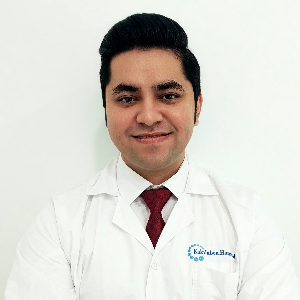
Dr. Vishal Khullar

Cardiothoracic Surgeon
Nanavati Max Super Speciality Hospital · Mumbai, Maharashtra

Dr. Vishal Khullar is one of best Cardiovascular & Thoracic Surgeons in Mumbai. He is the Director of Cardiothoracic and Vascular Surgery, Heart & Lung Trans…

Consultation fee₹3000

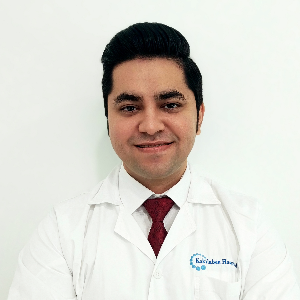
Dr Amit Singh

Verified

Consulting Cardiologist & Heart Failure Specialist

Cardiology Interventional Cardiology Preventive Medicine
Deepisha Medical Centre · Navi Mumbai, Maharashtra +1 more

Trained in Cardiology & Medicine from one the finest & prestigious institute in the country I.e. Seth G.S. Medical College, Mumbai. Also, Fully certified in…

1 Award
Consultation fee₹1500 – ₹2000

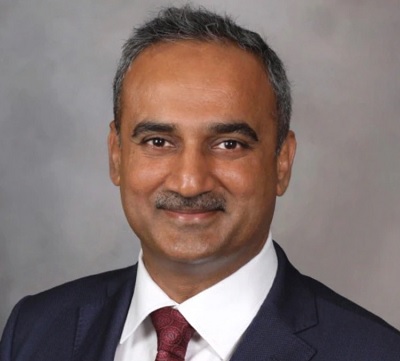
Dr Amit Singh

Verified

Consultant Cardiologist & Heart Failure Specialist

Cardiology Interventional Cardiology Pediatric Cardiology
Dr. Amit Singh - Cardiologist doctor near Vashi | Heart Specialist in Navi Mumbai · Navi Mumbai, Maharashtra

I'm Dr. Amit Singh, a Consultant Cardiologist and Advanced Heart Failure Specialist. With a background in medicine, I have dedicated my career to providing e…

Consultation fee₹1500

MD - Medicine, FRCP, FACC

Cardiology
Fortis Hospital · Mumbai, Maharashtra +1 more

Dr. Suresh Vijan is a Cardiologist in Khar West, Mumbai and has an experience of 25 years in this field. Dr. Suresh Vijan practices at Vijan Heart clinic in…

1 Award

MBBS, MD - Medicine, DM - Cardiology

Interventional Cardiology
Fortis Hospital · Mumbai, Maharashtra

Dr. Hasmukh Ravat has an extensive experience of clinical and invasive cardiology. He has primary interest in coronary and peripheral angioplasty. Dr. Ravat…

MBBS, MRCP (UK), CCT - Cardiology

Cardiology
Fortis Hospital · Mumbai, Maharashtra

Dr Vyas has been trained in UK for last 11 years and has joined Fortis hospital in March 2015. Dr Vyas worked at Asian Heart Institute for 6 months as Cardio…

MBBS, MD - General Medicine, DM - Cardiology

Cardiology
First Heart Cardiac Super Speciality Centre · Mumbai, Maharashtra

Dr.C. B. Munjewari s an one of the well experienced and learned Cardiologist. Trained under renowned experts. Well known for his clinical approach and interv…

2 Awards

MBBS, DM - Cardiology, MRCP (UK)

Cardiology
Fortis Hospital · Mumbai, Maharashtra

Dr. Atul Limaye is presently working at Fortis Hospital, Mumbai since 2015 as an Interventional Cardiologist and specializes in complex coronary intervention…

MBBS, MD - General Medicine, DM - Cardiology

Cardiology
S L Raheja Fortis Hospital · Mumbai, Maharashtra

Dr Nilesh completed MBBSin 1994. Professional Experience: Extensive experience in non-invasive investigational & interventional procedures Has performed more…

3 Awards

MBBS, MD - Medicine, DNB - Cardiology

Cardiology
Wockhardt Hospitals · Mumbai, Maharashtra +1 more

Dr. Chetan Bhambure is a Cardiologist in Mahim, Mumbai and has an experience of 24 years in this field. Dr. Chetan Bhambure practices at Family Care Hospital…

MBBS, MD - General Medicine, DNB - Gastroenterology

Gastroenterology
Fortis Hospital · Mumbai, Maharashtra +2 more

Also Attached to Horizon Hospitals, Thane; Godrej Hospitals , Vikhroli

MBBS, MD - General Medicine, DNB - Cardiology

Cardiology
S L Raheja Fortis Hospital · Mumbai, Maharashtra +4 more

Spanning a career of over 15 years in Interventional Cardiology, Dr Haresh Mehta already has over 10000 independent interventional cases to his credit perfor…

1 Award

Showing 1–12 of 267

Heart Transplant doctors by city

What Is Heart Transplant Surgery and When Is It Needed?

A heart transplant is a major surgical operation in which a diseased or failing heart is removed and replaced with a healthy heart from a donor. This surgery is often done when someone has end-stage heart failure that cannot be improved with other treatments such as medications, devices, or less invasive surgeries, and their condition seriously limits survival or quality of life.

Because the procedure requires a matching donor heart and complex coordination, only people with severe heart disease and who are otherwise healthy enough for surgery are selected for a transplant. After the new heart is placed, patients must take medicines for the rest of their lives to prevent the body from rejecting the donor heart.

Purpose & Benefits of Heart Transplant

A heart transplant is done to give a new chance at life and better heart function for people with severe heart failure.

· Extends survival: For patients without other treatment options, a transplant can significantly lengthen life.

· Improves energy and daily function: Many patients feel stronger and are able to do more everyday activities.

· Better quality of life: After recovery, many recipients return to work, exercise, and enjoy social life.

· Relieves symptoms: Transplant can reduce symptoms like severe fatigue, difficulty breathing, and fluid buildup caused by heart failure.

· Long-term outlook: Survival rates after heart transplant have improved over time, with many patients living many years with good heart function.

Who May Benefit from a Heart Transplant?

Heart transplant may be recommended when:

· You have end-stage heart failure that does not respond to other treatments.

· Severe symptoms persist despite maximum medical management.

· You are otherwise healthy enough to undergo major surgery and lifelong medical therapy.

· Your heart function is very poor and your doctor believes a transplant could improve survival and quality of life.

Doctors carefully evaluate your overall health, organ function, and candidacy before placing you on a transplant waiting list.

Heart Transplant Treatment Process

1. Pre-Transplant Evaluation: Tests are done to see if you are healthy enough for surgery. This includes heart imaging, blood tests, and screening for other medical problems.

2. Waiting for a Donor Heart: You are placed on a national or regional transplant list. A donor heart is matched based on blood type, body size, and other medical factors.

3. Surgery: Under general anaesthesia, your diseased heart is removed and a donor heart is put in place. A machine supports your circulation during surgery. The new heart is connected to your major blood vessels so it can begin working.

4. Recovery in Hospital: After surgery, you will stay in the intensive care unit (ICU) for monitoring and recovery, often for about 1–3 weeks total in the hospital.

5. Long-Term Care: You will take immune-suppression medicines for life to prevent your body from rejecting the donor heart and have regular follow-up visits.

Duration & Setting

Heart transplant surgery is done in a hospital with a transplant program by a team of specialists.

· The operation itself can take many hours (often 4–10 hours or more).

· Hospital stay is typically at least 10–21 days, including time in ICU.

· Full recovery as for returning to normal activities and rehabilitation may take several months.

Safety, Precautions & Risks

A heart transplant is complex and has risks, but many patients benefit significantly when selected appropriately. Common and important considerations include:

Common or expected risks:

· Organ rejection: Your immune system may try to attack the new heart.

· Infection: Due to immune-suppressing medicines, infections are more likely.

· Bleeding and clotting complications.

· Side effects from long-term immunosuppressants such as high blood pressure, kidney problems, or increased cancer risk.

· Graft failure or cardiac allograft vasculopathy, a chronic narrowing of heart vessels.

Doctors monitor you closely after surgery to catch and treat problems early and help maintain good heart function.
Frequently asked questions

What is a heart transplant used for?

A heart transplant is used to replace a failing heart with a healthy donor heart when other treatments are no longer effective, typically in end-stage heart failure.

Is heart transplant surgery risky?

Yes. It carries risks such as infection, rejection of the donor heart, bleeding, and complications related to lifelong immune-suppressing medicines. Doctors weigh these risks against the potential benefits.

How long does the surgery take?

Heart transplant surgery usually lasts several hours — often between 4 and 10 hours depending on complexity.

What is recovery like after a heart transplant?

You will spend time in the ICU and general hospital for at least 10–21 days, with full recovery taking several months including rehabilitation and close follow-ups.

Will I have to take medicines forever?

Yes. You must take immunosuppressant medicines for life to prevent rejection, and these require careful monitoring.

Can people live long after a heart transplant?

Many people live many years after transplant, with high survival rates in the first few years and ongoing improvements in outcomes because of better care.

Are children eligible for heart transplants?

Yes. Children with end-stage heart failure may also be eligible based on medical evaluation and donor availability.

How soon after surgery can I return to normal life?

Return to everyday activities typically begins after months of recovery and depends on your health and transplant progress, with close follow-ups from your transplant team.

Chat Support