What Is Frenuloplasty?
Frenuloplasty is a minor surgical procedure to correct a tight or short frenulum, the small fold of tissue that connects one part of the body to another. In the mouth, a tight frenulum under the tongue (called ankyloglossia or “tongue-tie”) can restrict tongue movement and affect speech, eating, or oral hygiene. In the genital area, a tight frenulum may cause discomfort during movement or intercourse.
Frenuloplasty is done to loosen or lengthen the restricted tissue so that normal motion and function can be restored. The procedure is usually quick, performed under local anaesthesia, and often allows for rapid recovery. Unlike frenectomy (complete removal of the frenulum), frenuloplasty involves releasing and repositioning the tissue in a way that preserves strength and mobility. It is commonly recommended when conservative measures, such as stretching exercises, have not improved function or when symptoms are interfering with daily life.
Who May Need Frenuloplasty?
Frenuloplasty may be recommended for people who:
● Have tongue-tie that limits tongue movement
● Experience speech difficulties linked to restricted tongue motion
● Have trouble latching while breastfeeding (in infants)
● Cannot stick out the tongue properly
● Experience pain or discomfort during oral activities
● Have a tight frenulum in the genital area causing discomfort or tearing
● Are unable to maintain proper oral hygiene due to restricted movement
Your doctor examines the area, discusses symptoms, and determines whether frenuloplasty is appropriate based on function, comfort, and clinical findings.
Types of Frenuloplasty
Frenuloplasty can be tailored depending on the location and severity of the restriction:
1. Oral Frenuloplasty (Tongue-tie Release)
This is the most common type, involving the frenulum beneath the tongue. It improves tongue mobility for speaking, feeding, and swallowing.
2. Labial Frenuloplasty
Performed on the frenulum connecting the lip to the gum, often when it causes a gap between front teeth or gum irritation.
3. Genital Frenuloplasty
Used in males when the penile frenulum is tight and causes pain or tearing during sexual activity or erections.
The specific technique and anaesthesia choice depend on patient age, anatomy, and need for precision.
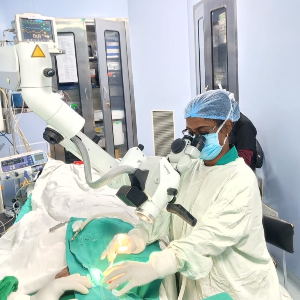
Frenuloplasty Procedure
Frenuloplasty is usually done in a clinic or outpatient surgical setting:
1. Preparation and Anesthesia
The area is cleaned, and local anaesthesia is given to numb the tissue. In children or anxious adults, sedation or general anaesthesia may be used.
2. Release of Frenulum
A small incision is made in the tight frenulum to release the restriction.
Unlike simple snipping (frenotomy), tissue may be rearranged or sutured to lengthen and support improved movement.
3. Closing and Support
The area is sutured with dissolvable stitches if needed. Protective dressing may be placed if appropriate.
4. Immediate Aftercare
Instructions are given for gentle movement and care to support healing.
The entire procedure usually takes 10–30 minutes depending on the location and complexity.
Recovery & Aftercare
Recovery from frenuloplasty is generally quick, with most people resuming normal activity soon after:
● Pain or Discomfort: Mild soreness around the surgical area is common and usually managed with pain relievers.
● Movement Exercises: Especially for oral frenuloplasty, gentle stretching or tongue exercises may be recommended to prevent tissue tightening during healing.
● Oral Care: Rinsing with mild saline or mouthwash may be advised after oral procedures once numbness wears off.
● Diet: For oral frenuloplasty, soft foods may be recommended for a day or two.
● Wound Care: If stitches are placed, they usually dissolve on their own. Keep the area clean and follow specific instructions from your surgeon.
Most people notice improved movement or comfort within a few days to a week.
Risks & Possible Complications
Frenuloplasty is considered safe when performed by a trained medical professional, but as with any procedure, there can be some risks:
● Pain or swelling around the treated area
● Infection (rare with good care)
● Bleeding
● Scar tissue formation that may limit movement
● Incomplete release requiring further treatment
Your surgeon explains these risks before the procedure and guides you on how to reduce them.
 ENT
ENT
 Otolaryngology

 Urology
 Pediatric Urology

 General Surgeon

 Surgery