What Is FESS (Functional Endoscopic Sinus Surgery) and How Is It Done?
FESS (Functional Endoscopic Sinus Surgery) is a minimally invasive surgical procedure used to treat chronic sinus problems. In this surgery, doctors use a thin, flexible tube with a tiny camera at the end called an endoscope to see inside the nasal passages and sinuses. Small surgical instruments are then used through the same openings to remove blockages, such as inflamed tissue or bone, and to improve sinus drainage. FESS helps restore normal airflow and reduces inflammation and infections that do not respond to medicines.
FESS is known for being less invasive than traditional sinus surgery because it uses the natural openings of the nose without large cuts.
Purpose & Benefits of FESS
FESS is done to relieve symptoms of chronic sinus disease and improve breathing and sinus function.
· Improves breathing: Opens up blocked sinus passages so air and mucus can flow freely.
· Reduces sinus infections: Helps reduce the number and severity of sinus infections that do not go away with medicines.
· Relieves pressure and pain: Reduces sinus pressure, facial pain, and headaches caused by sinus blockages.
· Decreases dependence on medication: Many people need fewer antibiotics and nasal sprays after successful surgery.
· Quicker recovery: Because it is minimally invasive, healing is often faster than older sinus surgery methods.
Who May Benefit from FESS?
FESS may be recommended when chronic sinus symptoms are severe or do not improve with medical treatment. You may benefit if you:
· Have long-lasting sinus infections lasting months.
· Experience nasal congestion, facial pressure, or pain that does not go away with medicine.
· Have nasal polyps (small growths in the nose) that block sinus drainage.
· Suffer from sinus headaches and drainage problems that affect quality of life.
Your doctor may suggest imaging (like CT scans) and tests to decide if FESS is right for you.
FESS Treatment Process
1. Consultation & Evaluation: The ENT surgeon examines your nose and sinuses, reviews scans, and discusses symptoms and medical history.
2. Preparation: You may be advised to stop certain medicines (like blood thinners) and avoid eating or drinking for some hours before surgery.
3. Anesthesia: FESS is usually done under general anaesthesia so you will be asleep and free from pain.
4. Endoscopic Surgery: The surgeon inserts a thin endoscope (camera) through the nostrils and views the sinuses on a screen. Using small instruments, the surgeon removes blockages such as inflamed tissue or polyps and opens sinus pathways.
5. Completion & Recovery: The surgery is completed with no external cuts on the face. You will be monitored as the anaesthesia wears off.
Usually, FESS can be done as a day-care procedure or with a short hospital stay.
Duration & Setting
FESS is typically performed in a hospital operating room by an experienced ENT (ear, nose, and throat) surgeon.
· The procedure duration is usually 1–3 hours, depending on how many sinuses are treated.
· You may go home the same day or stay 1 night in hospital for observation.
· Recovery is generally quick, with most people returning to normal activities within 1–2 weeks.
· You may have nasal packing, saline rinses, and follow-up visits to help healing.
Safety, Precautions & Risks
FESS is generally safe when done by qualified surgeons, but risks can include:
Common or expected effects:
· Mild nasal bleeding or crusting after surgery. (mayoclinic.org)
· Nasal congestion or discomfort as healing occurs.
Less common but possible risks:
· Infection at the surgery site.
· Bleeding that may need intervention.
· Change in sense of smell or taste (usually temporary).
· Very rare complications like injury to eyes or skull base — these are uncommon with experienced surgeons.
Your surgeon will explain risks, safety precautions, and after-care instructions to help reduce complications.
FESS vs Other Nose/Sinus Treatments
· Medicines & sprays: Often tried first for sinus infections; helpful for mild conditions but may not solve chronic or severe blockages.
· Balloon sinuplasty: A gentler procedure that inflates sinus openings without tissue removal; may be helpful in milder disease.
· FESS: More comprehensive treatment for blocked or damaged sinus pathways and severe chronic sinus conditions. Your ENT doctor will recommend the best option based on your condition.
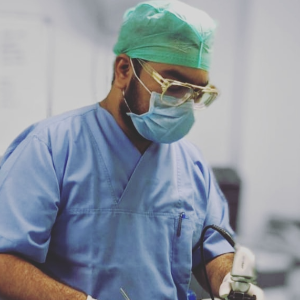
Dr. Arjun Saini
MS ENT
 ENT
ENT
 ENT
ENTPediatric Otolaryngology
Hey, I am Doctor Arjun Saini, ENT Surgeon. I thirst for knowledge and patient care. To improve my surgical skills and patient's quality of life, I pursued MBBS followed by other degrees including MS ENT, MRCS ENT (England) & Fellowship in Sinus Surgeries. I would be glad if I could help the ones in need. Thriving for your welfare. All the best :)
Delhi, Delhi, India, 110092
- Delhi, Delhi
- DocIndia Verified
- 400 - 800
- Online Consultation + 2 More
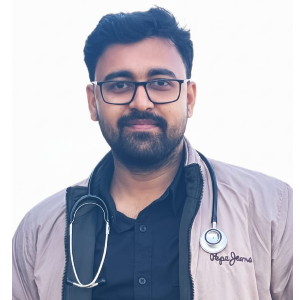
Dr. Rupal Ghosh
Dr. Rupal Ghosh | MBBS, MS (ENT – Kolkata) Consultant ENT, Head, Neck & Thyroid Surgeon
ENT
Otolaryngology
Dr. Rupal Ghosh is a skilled Consultant ENT, Head, Neck & Thyroid Surgeon with an MS in ENT from Kolkata. He is specially trained in micro-ear surgery, laser ENT procedures, endoscopic sinus surgery, and advanced head & neck surgeries, including thyroid disorders, cysts, and oral cancer. With strong expertise in endoscopic procedures of the ear, nose, and larynx, Dr. Ghosh focuses on precise diagnosis, minimally invasive treatment, and ethical, patient-centric care to deliver safe, effective, and long-lasting outcomes.
Kolkata, West Bengal, India, 700004
- Kolkata, West Bengal
- DocIndia Verified
- 300 - 600
- Online Consultation + 1 More

Dr. Purushottam Chavan
MBBS, MS - ENT
Otolaryngology
 Otolaryngology
45/1, 45th Cross, Marenahalli Road, Phase II, Bengaluru, Karnataka, India
Dr. Nirav Chheda
MBBS, DNB - Otorhinolaryngology
Surgery
 Surgery
203, Trimurti Arcade, 2nd Floor, L.B.S Road, Mumbai, Maharashtra, India
Dr. Mala Bhattacharjee
MBBS, MS - ENT
Otolaryngology
A364, A Block, Pocket A, Noida, Uttar Pradesh, India
Dr. Chidananda.D.R
MBBS, MS - ENT
Otolaryngology
Maruthinagar Bus Stop, Kodigehali Main Road, Sahakaranagar Post, Bengaluru, Karnataka, India
Dr. Prateek Nayak
MBBS, MS - ENT, DNB - Otorhinolaryngology
Otolaryngology
No. 43/2, New Airport Road, NH.7, Hebbal, Sahakara Nagar, Bengaluru, Karnataka, India
Dr. Sharad Maheswari
MBBS, MS - ENT
Otolaryngology
108 A, Indraprasth Extension, Delhi, Delhi, India
Dr. Deepak Sarin
DNB - Otorhinolaryngology, MS - ENT, MBBS
Oncology
.png) Oncology
OncologyCH Baktawar Singh Road, Gurugram, Haryana, India