Introduction
D&C (Dilation and Curettage) is a medical procedure used to remove tissue from inside the uterus (womb). Doctors perform D&C to diagnose or treat certain uterine conditions. In the procedure, the cervix (the opening of the uterus) is gently widened (dilated), so the doctor can use special instruments to remove tissue from the uterine lining. This helps both find the cause of symptoms and treat problems like heavy bleeding, miscarriage, or abnormal uterine contents. The goal of the procedure is to improve health and ease symptoms with a safe and controlled approach.
Doctors use D&C not only to treat conditions but also to gather tissue for testing, which helps in diagnosing infections, abnormal cells, or other uterine problems. Understanding the procedure, why it’s needed, and what to expect helps reduce anxiety and supports better recovery and care.
Who May Need Dilation and Curettage?
D&C may be recommended for women who have:
- Heavy or prolonged menstrual bleeding
- Irregular vaginal bleeding or spotting between periods
- Suspected abnormal uterine tissue seen on imaging
- Retention of tissue after miscarriage or childbirth
- Polyps or small uterine growths that need removal
- Postmenopausal bleeding that needs evaluation
- Abnormal cells found on a pap smear need further testing
A doctor always evaluates symptoms, medical history, and test results before recommending a D&C.
Types of D&C Procedures
There are several types of D&C depending on the reason it’s done:
1. Diagnostic D&C
This type is done to collect tissue for examination under a microscope. It helps doctors understand the causes of abnormal bleeding or abnormal test results.
2. Therapeutic D&C
In this type, the doctor removes unwanted uterine tissue to treat conditions like retained products after miscarriage, heavy bleeding, or polyps.
3. Pregnancy-Related D&C
This is used when tissue remains in the uterus after a miscarriage or abortion.
4. Hysteroscopic D&C
This combines D&C with a hysteroscope (a small camera) to see inside the uterus and remove tissue more precisely.
In all types, the basic steps involve dilating the cervix and gently scraping or suctioning the uterine lining.
Dilation and Curettage Procedure
The D&C procedure is usually performed in a hospital or surgical centre with anaesthesia. Steps include:
1. The patient is evaluated, consent is taken, and fasting instructions are followed if needed. The type of anaesthesia (general or regional) is decided based on health and patient choice.
2. Medicines are given so the patient is comfortable or asleep during the procedure.
3. The doctor gently widens the cervix using small instruments, so surgical tools can enter the uterus.
4. A curette (a small spoon-like tool) or suction device is used to scrape or suction tissue from inside the uterus. The removed tissue may be sent to a lab for testing.
Recovery & Aftercare
D&C recovery begins soon after the procedure:
- Most women stay in a recovery room until anaesthesia wears off.
- Mild cramping or lower abdominal discomfort is common for a day or two.
- Light vaginal bleeding or spotting may continue for a few days.
- Rest and avoiding strenuous activity for 24–48 hours is usually recommended.
- A doctor may advise avoiding tampons or sexual intercourse for about 1–2 weeks to reduce infection risk.
Over the next week or two, normal activities may be resumed as comfort allows. Follow-up with the doctor is important to check healing and discuss lab results if tissue was sent for testing.
Risks & Possible Complications
D&C is generally safe, but like all medical procedures, it has some risks, including:
- Infection inside the uterus or pelvic area
- Heavy bleeding or prolonged bleeding
- Uterine perforation (a small tear in the uterus)
- Scar tissue formation inside the uterus (Asherman’s syndrome)
- Reaction to anaesthesia
- Pain or cramping beyond normal discomfort
Doctors take precautions to reduce these risks and watch for symptoms after the procedure. If heavy bleeding, fever, foul-smelling discharge, or severe pain occur after D&C, prompt medical care is needed.
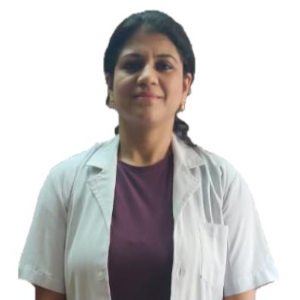
Dr. Mradulika Sharma
Gynecologist- I worked in baba saheb Ambedkar Rohini delhi. Fortis hospital delhi Venkteshwar hospital delhi
 Obstetricians and Gynecologists
 Obstetricians and Gynecologists
Gynecology
Maternity Services
With 15+ years of excellence, Dr. Sharma is a trusted expert in high-risk pregnancies, advanced gynaecological surgeries, and fertility care. An MS (Obstetrics & Gynaecology, 2012), she has served at Fortis, Venkateshwar, RM, and Baba Saheb Ambedkar Hospitals. Trained in cosmetic gynaecology, aesthetic medicine, and hair medicine, she now provides bespoke, discreet, and evidence-based care, including premium telemedicine consultations designed for women seeking expertise, precision, and confidence.
A block, house no 88, Chander nagar West Delhi, Delhi, Delhi, India, 110058
- Delhi, Delhi
- DocIndia Verified
- 500
- Dr Sharma Clinic
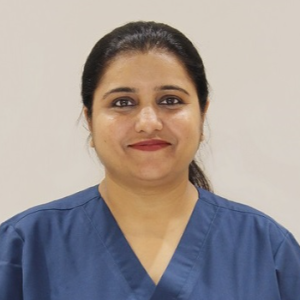
Dr. Payal Bajaj
MBBS, DGO | Sr IVF Specialist & Medical director - Nandi IVF
Gynecology
 Gynecology
Dr. Payal Bajaj is an experienced Obstetrician and Gynecologist with over 20 years of experience in the discipline. She is a Reproductive Endocrinologist and Infertility Specialist. She has Done MBBS From the Renowned Lady Hardinge Medical College. DGO from the prestigious VMMC and Safdarjang Hospital, DMAS From World Laparoscopy Hospital. She has Completed Her esteemed ASPIRE -ISAR Fellowship in the field of Reproductive Medicine from AFGC, Delhi And St' Mother's Hospital Japan. She has also been trained from the University of KEIL Germany. She has won various academic awards all through her academic career.
C3/9, 1st floor,, Ashok Vihar Phase 2, Delhi, Delhi, India, 110052
- Delhi, Delhi
- DocIndia Verified
- 800
- Nandi IVF
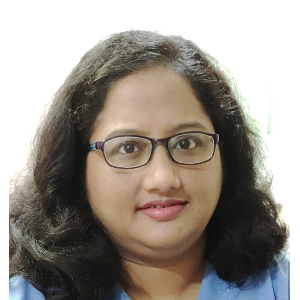
Dr. Smitha Athota
MBBS, M.S (Obstetrician and Gynecologist)
Obstetricians and Gynecologists
Gynecology
I am an Obstetrician and Gynecologist with over 17 years of experience. I'm a doctor who believes in caring with a human touch. My areas of keen interest are High Risk Obstetrics, Fetal Ultrasound, Adolescent health - PCOS, Laparoscopic Surgery and Fertility issues.
1-6-60/1, Swetha Nursing Home & Betheda Ceter for Women, Paul Saab Gutta, Near Yerra Satyam Chowrastha, Mahabubnagar Golconda, Hyderabad, Telangana, India, 509001

Dr. Aditi Bhatnagar
MBBS, MS - Obstetrics & Gynaecology
Gynecology
W -58, Greater Kailash Part -1, Delhi, Delhi, India
Dr. Arpana Haritwal
MBBS, MS - Obstetrics & Gynaecology
Gynecology
Press Enclave marg, Mandir Marg, Delhi, Delhi, India
Dr. Hrishikesh Pai
MD - Obstetrics & Gynaecology, MBBS
Gynecology
Sector 44, Gurgaon, Gurugram, Haryana, India
Dr. Parag Shah
MBBS, MS - General Surgery
Surgery
 Surgery
Neptune Diagnostics, RB Mehta Marg, Saibaba Nagar, Pant Nagar, Ghatkopar East, Mumbai, Mumbai, Maharashtra, India
Dr. Nikhil D Datar
MBBS, MD - Midwifery & Gynecology, DGO, FCPS - Mid. & Gynae, DNB - Obstetrics & Gynecology
Gynecology
Siddhachal Arcade, CTS Nos. 1084C and 1186A Link Road, Mumbai, Maharashtra, India
Dr. Laxman Salve
MBBS, MS - General Surgery
Surgery
Kumar's Polyclinic, 34 third Floor, Gurudev Apartment B Wing, Opp MTNL Office, behind Hanuman Mandir, Mumbai, Maharashtra, India
Dr. Shilpa Abhyankar
MBBS, DGO, MD - Midwifery & Gynecology
Gynecology
159, Ganesh Prasad, Sir Bhalchandra Road, Hindu Colony, Mumbai, Maharashtra, India