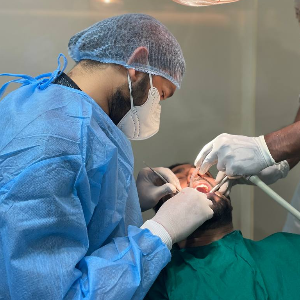
What Are Ceramic Veneers and Crowns?
Ceramic veneers and crowns are cosmetic and restorative dental treatments used to improve the appearance, strength, and function of teeth. These restorations are made from high-quality ceramic or porcelain materials that closely resemble the natural color and texture of teeth, providing a durable and aesthetically pleasing result.
Ceramic veneers are thin, custom-made shells bonded to the front surface of teeth to improve their appearance, while ceramic crowns are tooth-shaped caps that cover the entire tooth to restore damaged or weakened teeth.
These treatments are commonly used in cosmetic dentistry to correct discoloration, chipped teeth, gaps, uneven teeth, and worn or damaged teeth.
Why Ceramic Veneers and Crowns Are Needed
Dentists may recommend ceramic veneers or crowns for various cosmetic and restorative concerns.
Common reasons include:
● Discolored or stained teeth
● Chipped or cracked teeth
● Worn-down teeth
● Uneven or misshapen teeth
● Gaps between teeth
● Weak teeth after root canal treatment
● Broken or severely decayed teeth
● Smile enhancement and cosmetic correction.
Ceramic restorations help improve both oral function and smile aesthetics.
Difference Between Veneers and Crowns
Veneers cover only the front surface of the teeth and are mainly used for cosmetic improvements. They require minimal removal of tooth enamel compared to crowns.
Crowns cover the entire tooth structure and are used when a tooth is significantly damaged, weak, or decayed. They provide additional strength and protection.
The choice between veneers and crowns depends on the condition of the tooth and the patient’s cosmetic and functional needs.
Types of Ceramic Veneers and Crowns
1. Porcelain Veneers
Porcelain veneers are highly durable and stain-resistant, offering a natural tooth-like appearance.
2. Composite Veneers
Composite veneers are made from tooth-colored resin material and are generally less expensive than porcelain veneers.
3. All-Ceramic Crowns
These crowns are made entirely from ceramic material and are commonly used for front teeth because of their natural appearance.
4. Zirconia Crowns
Zirconia crowns are strong ceramic restorations often used for back teeth due to their durability and resistance to fractures.
Procedure for Ceramic Veneers and Crowns
1. Dental Examination
The dentist examines the teeth and gums and may take X-rays or digital scans to assess oral health and treatment suitability.
2. Tooth Preparation
For veneers, a thin layer of enamel is removed from the front of the tooth. For crowns, more tooth structure may need to be reshaped so the crown fits properly.
3. Impressions or Digital Scans
The dentist takes impressions or digital scans of the prepared teeth to create custom ceramic restorations.
4. Temporary Restoration
Temporary veneers or crowns may be placed while the permanent restorations are being fabricated in a dental laboratory.
5. Placement of Permanent Veneers or Crowns
Once ready, the dentist bonds the ceramic veneers or crowns onto the teeth using special dental cement and makes adjustments for proper fit and appearance.
Benefits of Ceramic Veneers and Crowns
Ceramic restorations offer several cosmetic and functional advantages:
● Natural tooth-like appearance
● Improved smile aesthetics
● Stain resistance
● Restoration of damaged teeth
● Improved chewing and speech
● Long-lasting durability
● Enhanced confidence and facial appearance.
Modern ceramic materials provide strong and aesthetically pleasing restorations.
Risks and Complications
Although generally safe, certain risks and complications may occur.
Possible side effects include:
● Tooth sensitivity after treatment
● Gum irritation or soreness
● Veneer or crown chipping or cracking
● Loosening of restorations
● Tooth decay under the restoration
● Need for replacement over time
Good oral hygiene and regular dental checkups help reduce complications.
Recovery and Aftercare
Recovery is usually quick after ceramic veneer or crown placement.
Patients are advised to:
● Avoid very hard or sticky foods initially
● Maintain regular brushing and flossing
● Avoid teeth grinding and nail biting
● Visit the dentist regularly for checkups
● Use a mouthguard if recommended for teeth grinding
Mild sensitivity may occur temporarily after the procedure.

.png) Dentist
Dentist

 Dental Surgery