What Is Cataract Surgery?
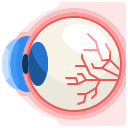
Cataract surgery is a common and safe procedure used to treat cataracts, a condition in which the natural lens of the eye becomes cloudy and affects vision. The lens normally helps focus light onto the retina to produce clear images. When it becomes cloudy, vision may appear blurred, dim, or yellowish. Cataracts usually develop gradually with age but can also occur due to injury, diabetes, long-term steroid use, or genetic factors.
During cataract surgery, the cloudy lens is removed and replaced with a clear artificial lens called an intraocular lens (IOL). This helps restore clear vision and improves daily functioning. Cataract surgery is one of the most frequently performed surgeries worldwide and has a high success rate.
Purpose & Benefits of Cataract Surgery
Cataract surgery helps restore vision and improve the quality of life. Key benefits include:
• Restores clear vision: Removes the cloudy lens and replaces it with a clear artificial lens.
• Improves daily activities: Makes reading, driving, and recognizing faces easier.
• Enhances color perception: Colors appear brighter and more natural after surgery.
• Reduces glare and halos: Helps improve night vision and reduces sensitivity to light.
• Long-lasting results: Artificial lenses usually last a lifetime and do not require replacement.
Who May Benefit from Cataract Surgery?
This procedure may be recommended for people who:
• Have blurred or cloudy vision affecting daily tasks.
• Experience glare, halos, or difficulty seeing at night.
• Need frequent changes in eyeglass prescriptions.
• Have cataracts that interfere with work or independence.
Cataract surgery is suitable for most adults and can significantly improve the quality of life when vision problems become bothersome.
Cataract Surgery Procedure
1. Anesthesia
Eye drops or local anesthesia are used to numb the eye. Patients remain awake but comfortable during the procedure.
2. Small Incision
A tiny incision is made at the edge of the cornea to access the cloudy lens.
3. Lens Removal
The surgeon uses ultrasound (phacoemulsification) or other techniques to break the cloudy lens into small pieces and remove it.
4. Intraocular Lens Placement
A clear artificial lens (IOL) is inserted to replace the natural lens and restore focus.
5. Closure & Recovery
The incision is usually self-sealing and may not require stitches. Recovery begins immediately after surgery.
Duration & Setting
Cataract surgery is typically performed in a hospital or day-care surgical center by an ophthalmologist. The procedure usually takes 15–30 minutes per eye, and most patients go home the same day.
Vision often improves within a few days, though complete healing may take several weeks. Follow-up visits help monitor recovery and ensure proper healing.
Safety, Precautions & Risks
Cataract surgery is considered very safe, but as with any surgery, some risks may occur.
Common After-Effects
• Mild discomfort, itching, or redness.
• Temporary blurred vision during healing.
Possible Risks (Rare)
• Infection or inflammation.
• Swelling of the cornea or retina.
• Retinal detachment.
• Posterior capsule opacification (secondary cataract).
• Increased eye pressure.
Following post-surgery care instructions and attending follow-up visits helps minimize complications.
 Ophthalmic surgery