Braces are devices used in dentistry to straighten teeth, fix misalignment, and improve bite. They are most commonly associated with teenagers, but people of all ages can benefit from them. Braces work by applying gentle, continuous pressure on your teeth over time, helping them move slowly into better positions. The result is not only a straighter smile but also often better chewing, easier cleaning, and improved confidence. Braces are recommended when teeth are crowded, crooked, or spaced too far apart, or when the upper and lower jaws don’t fit together properly (known as malocclusion). Your orthodontist will assess your mouth and design a custom plan.
Who May Need Braces?
Braces might be recommended if you have:
- Crowded or crooked teeth
- Gaps between teeth
- Overbite, underbite, or crossbite
- Jaw pain due to misalignment
- Difficulty chewing or biting properly
- A desire for a better-looking smile
Orthodontic treatment is common in children and teens, but adults can get braces too. The timing of treatment depends on how teeth are developing and when issues become noticeable or troublesome.
Types of Braces
There are several types of braces available today. Your orthodontist will suggest the best one for your needs:
1. Traditional Metal Braces
These are the most recognisable braces, metal brackets attached to each tooth and connected with an archwire. They are strong and effective, especially for complex cases.
2. Ceramic Braces
These work like metal braces but use clear or tooth-coloured brackets that blend in better. They are less noticeable, though they may be a bit more expensive.
3. Lingual Braces
These braces are placed behind the teeth, so they are hidden from view. They are good for people who want invisible treatment but need traditional bracket strength.
4. Clear Aligners
Clear aligners (like Invisalign) are removable plastic trays that fit over your teeth and gradually shift them. They are almost invisible and easy to remove for eating and cleaning.
Each type has its pros and cons. Some work faster, some are less noticeable, and some are easier to maintain. Your orthodontist will explain the best choice based on your smile goals and lifestyle.
Braces Procedure
Getting braces usually involves a few steps, but it’s not painful:
1. Your orthodontist examines your teeth and bite. X-rays, pictures, and impressions (moulds) of your teeth help plan the right treatment. The doctor will explain how long treatment might take and what type of braces work best.
2. Before placing braces, your dentist cleans your teeth thoroughly. Sometimes spacers (small separators) are placed between back teeth a week before to make room for bands.
3. During the appointment:
- Brackets are bonded to each tooth with a special dental adhesive
- Archwires are threaded through the brackets
- Small elastic bands (ligatures) may be used to hold the wires in place
This process usually takes about 60–90 minutes.
4. Every 4–8 weeks, you’ll visit the orthodontist for tightening and adjustments. These help continue the gradual movement of your teeth. Some appointments are quick, while others may take a bit longer depending on what’s being done.
Recovery & Aftercare
Because braces are a long-term adjustment rather than a surgical procedure, there isn’t a typical “recovery period” like with operations. However, your mouth does need a short time to adapt:
First Few Days
You may feel mild soreness as your teeth begin to move. This is normal and usually lasts a few days. Over-the-counter pain relief and eating soft foods help in this early stage.
Daily Care
Successful treatment depends a lot on how well you care for your braces:
- Brush after each meal; food can easily get stuck
- Use interdental brushes or floss threaders to clean between wires
- Avoid hard, sticky, or chewy foods that can damage brackets
- Wear elastics or appliances as instructed if your orthodontist recommends them
Regular care keeps your braces working effectively and prevents new dental issues like cavities or gum disease.
Treatment Duration
Most braces are worn for 1–3 years depending on how much movement your teeth need. After braces are removed, you’ll likely get a retainer to keep your teeth in their new positions. Retainers are very important; without them, teeth can slowly shift back over time.
Risks & Possible Complications
Braces are generally safe, but a few things can happen:
- Mouth discomfort or sores from rubbing brackets
- Loose or broken brackets/wires, especially after hard foods
- Difficulty eating or speaking in early days
- Tooth decalcification or white spots, if cleaning is poor
- Gum irritation if braces rub on gums
Most of these issues are preventable with good care and regular visits. If a wire pokes or bothers you, orthodontists often provide wax to cover the area until it’s fixed.
Dr. K.Varsha Rao
BDS, Certificate of Oral Implantology
 Dentist
.png) Dentist
DentistDr. K.Varsha Rao Started Om dental care and implant center in 1999 and has been in private practice since then. Has special interest in endodontics (root canal treatment) and cosmetic and implant dentistry. Continuously updates herself by attending various workshops and conferences. Believes the amalgamation of technology, basic science and skill is the solution for predictable dentistry.
Shop No. 14, 15, Safal Ganga Complex, Plot No. 29 - 30, Navi Mumbai, Maharashtra 400706, Navi Mumbai, Maharashtra, India, 400706

Dr. Kimidi Purnasri
Dr. Purna Sri | Orthodontist in Gurgaon | MDS| Invisalign specialist
Dentist
Hello, I'm Dr. Purnasri, an Orthodontist (MDS) and the founder of SmileCity Clinic in Gurgaon. My passion is designing healthy, confident smiles, and I believe your journey to get one should be a positive and comfortable experience. My philosophy is built on personalized, painless treatment. I know that visiting an orthodontist can feel overwhelming, which is why I am committed to being your partner in this process. I will always take the time to listen to your goals and clearly explain every option—from modern clear aligners to ceramic and traditional braces. My goal is for you to feel informed, relaxed, and excited about your transformation. I look forward to helping you achieve the smile
Gurugram, Haryana, India, 122002
- Gurugram, Haryana
- DocIndia Verified
- 300 - 500
- Online Consultation + 1 More

Dr. Varnit Jain
Dental Surgeon
Dentist
Dr varnit has 5 years expert in dental field . All treatment available here totally painless . He expertise in painless root canal treatment and smile designing . He has 2 patents and 1 publications in book . He was awarded in many national and international conferences.
22, Pandushilla road near Himalaya hospital, Sardhana, Uttar Pradesh, India, 250342
- Sardhana, Uttar Pradesh
- DocIndia Verified
- 200
- Paras dental care
Dr. Prachi Santosh Sakpal
MDS - ORTHODONTIST
Dentist
Dental Surgery
Expertise in aligner therapy (Invisalign), Full scope comprehensive fixed orthodontic care using metal and ceramic appliances, Interceptive orthodontic management for growth related and developmental concerns, Thorough evaluation and correction of impacted teeth, Coordinated orthodontic care for pre surgical and post surgical cases, Structured retention protocols and relapse management. Root canal specialist, regular dental checkups, extractions, expertise in prosthetic work.
ROOM NO. - 120,SAI GANESH SADAN,, SENAPATI BAPAT MARG, DADAR WEST. MUMBAI, Mumbai, Maharashtra, India, 400028
- Mumbai, Maharashtra
- DocIndia Verified
- 500
- ENAMEL ELEGANCE DENTAL LOUNGE
Dr. Rohit Kumar Chikoti
MDS - Orthodontics and Dentofacial Orthopedics
Dentist
Dental Surgery
Pediatric Dentistry
I am a dedicated dental professional who pursued BDS at Kamineni Institute of Dental Sciences, honing my expertise in the field of dentistry. Passionate about orthodontics, I furthered my education by completing MDS in Orthodontics and Dentofacial Orthopedics at Malla Reddy Institute of Dental Sciences. With a strong foundation in dental sciences and specialized knowledge in orthodontics, I am committed to providing exceptional care and creating confident, healthy smiles for my patients. My journey in dentistry has equipped me with the skills and dedication to make a positive impact on the oral health and well-being of individuals.
1-3-176/35/8, 1st floor, beside nallapochamma temple,, Opp Sattva mall lane, Near Gandhi nagar post office, Gandhi nagar main road, Kavadiguda, Musheerabad, Secunderabad, Telangana, India, 500080
- Secunderabad, Telangana
- DocIndia Verified
- 1 Award
- 300
- Aura dental care
Dr. Angaj Malandkar
BDS, MDS - Orthodontics and Dentofacial Orthopaedics
Dentist
Dr Angaj Malandkar is a Consultant Orthodontist. Specialist in Braces, Aligners, Dentofacial Orthopedics
Shop Number-2, Ganesh CHSR. Building Number-.9, Mumbai, Maharashtra, India
- Mumbai, Maharashtra
- DocIndia Verified
- 1 Award
- Endobrace Family Dental Clinic
Dr. Ekta Kumari
MDS- ORTHODONTIST
Dentist
Dental Surgery
I am an Orthodontist specializing in braces and clear aligners. With an MDS in Orthodontics, I lead Dektal Orthodontics and consult across top clinics in Delhi-NCR, offering affordable and personalized smile solutions.With experience in both fixed braces and clear aligners (Invisalign, Toothsi, Dezy), I blend clinical expertise with a compassionate approach to deliver confident, lasting results.
C-93, Geetanjali Marg, next to Martina Wu, Block C, Shivalik Colony, Delhi, Delhi, India, 110017
- Delhi, Delhi
- DocIndia Verified
- 499
- Dektal Orthodontics
Dr. Mayank Gupta
MDS-PERIO.& IMPLANTS
Dentist
Periodontics
Dental Surgery
Raj Dental and Implant Expert, led by Dr. Mayank Guptaa, is a trusted dental clinic in Vasundhara, Ghaziabad, offering comprehensive and advanced dental care for patients of all ages. The clinic specializes in dental implants, root canal treatment, aligners, and Invisalign for effective and long-lasting results. With a strong focus on smile designing, crowns, braces, and cosmetic dentistry, the clinic ensures personalized treatment using modern technology and high hygiene standards. From routine dental check-ups to complex implant procedures, Raj Dental and Implant Expert is committed to providing painless, precise, and patient-centric dental solutions for a healthy and confident smile.
sec 1, h.no.207,, vasundhara, Ghaziabad, Uttar Pradesh, India, 201012
- Ghaziabad, Uttar Pradesh
- DocIndia Verified
- 300
- Raj Dental And Implant Expert
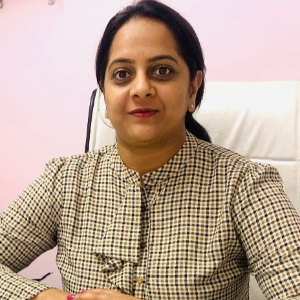
Dr. Pooja Goyal
BDS, MDS (Pediatric & Preventive Dentistry), PGCOI
Dental Surgery
 Dental Surgery
Dr Pooja Goyal is working as a dentist for past 19 years after completing her BDS from SMS Medical college in 2006, MDS (Pediatric & Preventive Dentistry), she is also a Post-Graduate in Oral Implantology (PGCOI) from Nair Dental College Mumbai and is practicing as a dentist & Implantologist. She has earlier worked as a dentist with PGI Chandigarh & Bombay Hospital Mumbai. Apart from Dr Pooja Goyal, services of dentist of various specializations are also available in the clinic.
467, Nemi Sagar Colony, Jaipur, Rajasthan, India, 302021
- Jaipur, Rajasthan
- DocIndia Verified
- 3 Award
- Dental Avenue Clinic
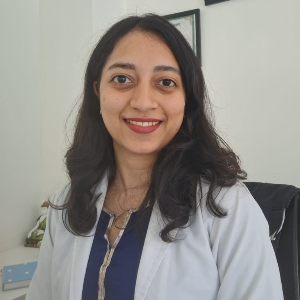
Dr. Mamtha Kumaraswamy
Dentist
Dentist
With a deep passion for oral health and patient care, I’ve dedicated my career to helping individuals achieve confident, healthy smiles. I specialize in preventive dentistry, cosmetic enhancements, and restorative treatments, combining clinical expertise with a gentle, personalized approach. My philosophy centers on education and empowerment—ensuring every patient understands their options and feels comfortable throughout their dental journey. I stay current with the latest advancements in dental technology and techniques, continually refining my skills to provide the highest standard of care. Whether it's a routine check-up or a complex procedure, I strive to make every visit a positive ex
Bengaluru, Karnataka, India, 56004
- Bengaluru, Karnataka
- DocIndia Verified
- 500
- Online Consultation