What Is Blood Testing and Why Is It Done?
Blood testing, also called blood work or a blood test, is a common medical test in which a small sample of your blood is taken and analysed in a laboratory. These tests help doctors check your overall health, figure out the cause of symptoms, diagnose medical conditions, and monitor ongoing treatments for many diseases.
Blood tests are simple, quick, and provide a lot of valuable information. They can measure blood cells, chemicals, proteins, hormones, and other substances in your bloodstream to show how well your organs, like the liver, kidneys, or heart, are working, or whether a condition like anaemia, infection, diabetes, or high cholesterol is present.
Purpose & Benefits of Blood Testing
● Checks overall health as part of a routine medical exam.
● Helps diagnose diseases such as diabetes, infections, and anaemia.
● Monitors ongoing conditions like high cholesterol or liver disease.
● Shows how well organs are working, such as kidneys or thyroid.
● Checks effectiveness of treatments, including medicines for chronic illnesses.
● Provides early warning signs of health issues, often before symptoms appear.
Who May Need Blood Testing?
Blood tests may be recommended for people who:
● Are having routine health check-ups.
● Have unexplained symptoms like fatigue, fever, or weight loss.
● Have known chronic conditions such as diabetes or thyroid problems.
● Are being treated for a disease and need monitoring.
● Need pre-surgery testing or screening before starting new medications.
Your doctor will decide which blood tests are most relevant based on your symptoms, age, history, and health goals.
Types of Blood Testing
Complete Blood Count (CBC)
This test measures the number and types of blood cells, including red cells (carry oxygen), white cells (fight infections), and platelets (help with clotting). It helps detect anaemia, infections, and blood disorders.
Metabolic Panels
These tests check chemicals in the blood such as glucose (sugar), electrolytes, and kidney or liver function. They help doctors evaluate organ health and metabolism.
Lipid Profile
Also known as a cholesterol test, this measures levels of cholesterol and fats in the blood to assess heart disease risk.
Hormone Tests
These measure hormones such as thyroid hormones (TSH, T3, and T4) to diagnose thyroid conditions or other hormone imbalances.
Coagulation Tests
Also called blood clotting tests, these check how well your blood forms clots, which is important before surgery or for people on blood-thinning medicines.
Blood Testing Procedure: Step-by-Step
1. Preparation: Your doctor may ask you to fast (avoid food and drinks except water) before certain tests like glucose or lipid profile. You should share a list of your medicines and supplements with your healthcare provider.
2. Cleaning the Site: A healthcare worker cleans the skin, usually on your arm, with antiseptic to prevent infection.
3. Taking the Sample:
- For most tests, a small needle is inserted into a vein in your arm, and blood flows into a vial or tube.
- For tiny tests or quick checks (like home glucose tests), blood may be taken from a finger prick instead. You may feel a brief sting or pressure when the needle goes in, but the process is generally fast.
4. Finishing: Once enough blood is collected, the needle is removed and a small bandage or cotton ball is placed to stop bleeding.
5. Sending to Lab: The sample is sent to a laboratory where different tests are run, and results are analysed by medical professionals.
Recovery & Aftercare
● After giving blood, most people can return to normal activities immediately.
● You may feel minor discomfort or bruising where the needle was. This usually goes away within a day or two.
● If asked to fast, you can eat normally after the test once the sample is taken.
● Drink water and stay relaxed; this can help prevent light-headedness.
● If a larger sample or arterial blood test was taken for a specific reason, your provider may give extra aftercare instructions.
Risks & Possible Complications
Blood testing is generally safe with minimal risks:
● Bruising or tenderness at the needle site.
● Slight bleeding where the needle was removed.
● Rarely, infection at the prick site if proper hygiene isn’t followed (very uncommon).
● Some people may feel dizzy or light-headed, especially if they haven’t eaten.
The overall benefits of blood testing for diagnosis and ongoing care far outweigh these small risks.
Blood Testing vs Other Diagnostic Methods
● Blood Testing vs Imaging: Blood tests measure chemicals, cells, and substances inside your body, while imaging (X-rays, ultrasound) shows pictures of organs and structures. Both are often used together.
● Blood Testing vs Urine Tests: Blood tests provide information about internal organ function and cell levels, while urine tests mainly check kidney function and urinary tract health.
● Blood Testing vs Physical Exam: A physical exam checks your symptoms and body signs, but blood tests give objective measurements that help confirm or rule out conditions.
Your doctor decides which tests or combination of methods are best based on your needs
.png) Family Medicine
Family Medicine
 Internal medicine
.png) Emergency Medicine
Emergency Medicine

 Nutrition

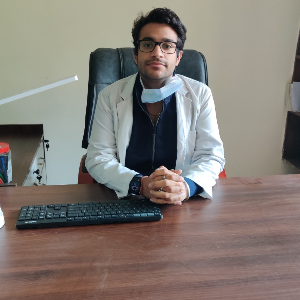

 General Physician

 Otolaryngology
.png) Dentist
Dentist
.png) Pediatric Dentistry
Pediatric Dentistry

 Obstetricians and Gynecologists
.png) Dermatology
Dermatology