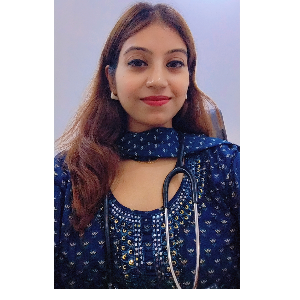
DDVL, Diploma in Health Administration, MD - Dermatology, MBBS
Dr. Deepali Bhardwaj is one of the leading dermatologists in keeping with the rapid scientific advancements in the field of dermatology and cosmetology. The…
2 doctors in Delhi — verified profiles, ratings, fees and clinic or online consultation.
Looking for a doctor for Allergy Treatment in Delhi? Browse 2 verified doctors in Delhi who perform Allergy Treatment — compare qualifications, patient ratings and consultation fees, and book a clinic or online appointment that suits you.
DDVL, Diploma in Health Administration, MD - Dermatology, MBBS
Dr. Deepali Bhardwaj is one of the leading dermatologists in keeping with the rapid scientific advancements in the field of dermatology and cosmetology. The…
Holistic Healing with a Patient-Centered Homoeopathic Approach
Passionate and experienced homoeopathic physician with a BHMS degree. Over the past 9 years, she have been dedicated to delivering holistic, patient-focused…
Showing 1–2 of 2
You should consult a doctor if you experience frequent sneezing, skin rashes, itching, watery eyes, breathing difficulty, or recurring allergic reactions. Identifying the cause early can help prevent symptoms from becoming more severe.
Depending on your symptoms, allergy treatment in Delhi may be provided by allergists, dermatologists, ENT specialists, pulmonologists, or general physicians. Your doctor will recommend the appropriate treatment or refer you to a specialist if required.
During your consultation, the doctor will discuss your symptoms, medical history, and possible allergy triggers. If needed, they may recommend allergy tests or other investigations to confirm the diagnosis.
In Delhi, your doctor may recommend tests such as a skin prick test, blood tests, or patch testing depending on your symptoms and suspected allergens. These tests help identify the substances causing your allergic reactions.
Yes. Seasonal allergies can often be managed with medications, allergen avoidance, and lifestyle modifications. Your doctor may also recommend immunotherapy for certain patients with persistent allergies.
Most allergies cannot be permanently cured, but their symptoms can usually be controlled with appropriate treatment and by avoiding known triggers. Your doctor will recommend a long-term management plan based on your condition.
You can reduce allergy flare-ups by avoiding known allergens, maintaining good indoor hygiene, wearing a mask during high-pollution days, and taking medications as prescribed. Regular follow-up with your doctor can also help manage recurring symptoms.