Introduction
Adhesiolysis procedure used to treat adhesions, which are bands of scar tissue that form between organs or tissues. Adhesions can develop after surgery, infection, inflammation, or injury and can cause pain, discomfort, blockage, or reduced movement of internal organs. Adhesiolysis helps break or remove these thick scar bands so that normal function can return.
Adhesiolysis is often performed by trained surgeons using minimally invasive techniques. It can help relieve symptoms such as chronic abdominal pain, bowel obstruction, female infertility, or painful movements caused by tight scar tissue. Adhesiolysis is preferred because it reduces pain and improves mobility with smaller incisions, quicker recovery, and less risk compared to open surgery.
Who May Need Adhesiolysis?
Adhesiolysis may be recommended for people with issues such as:
- People with persistent abdominal or pelvic pain that does not respond to medication
- Intestinal blockage (small bowel obstruction) due to adhesions
- Painful scar tissue following prior surgery or trauma
- Infertility linked to pelvic adhesions affecting reproductive organs
- Restricted movement of joints or tissues due to internal fibrous bands
Types of Adhesiolysis
There are different ways adhesiolysis can be performed depending on the area and cause:
1. Laparoscopic Adhesiolysis: A minimally invasive approach using camera-guided tools through small incisions. This is the most common type and causes less pain and faster healing.
2. Hysteroscopic Adhesiolysis: Used to break intrauterine adhesions inside the uterus, often for infertility or menstrual issues.
3. Open Adhesiolysis: In some complex cases, traditional open surgery may be needed to access and remove thick scar tissue.
4. Ultrasound-Guided or Endoscopic Adhesiolysis: In specific situations, these techniques help the surgeon navigate adhesions with imaging support.
Adhesiolysis Procedure
Before the adhesiolysis procedure, the doctor will take your medical history and perform tests such as ultrasound, CT scan, or MRI to confirm adhesions. You may be asked to fast for a few hours prior to surgery. The procedure is usually done under general anaesthesia, so you remain asleep and pain-free.
Steps during the adhesiolysis procedure:
1. Small incisions are made near the affected area.
2. A laparoscope or endoscope (a thin tube with a camera) is inserted to view the adhesions.
3. The surgeon uses special instruments to gently cut or remove the scar tissue.
4. The surgeon checks that organs move freely after adhesion removal.
5. Finally, instruments are removed, and small incisions are closed with stitches.
Laparoscopic adhesiolysis is preferred because it allows precise removal of scar tissue with minimal trauma to surrounding organs. The surgeon constantly watches a video monitor to guide tools during the procedure. Adhesiolysis may take 30 minutes to a few hours, depending on how extensive the adhesions are.
Recovery & Aftercare
After adhesiolysis, you will be monitored in the hospital for a short time. Pain at the incision site is common but can be controlled with pain medication. You may have a soft diet initially, especially if the procedure was done for bowel-related adhesions.
Adhesiolysis recovery includes:
- Walking and light activity as soon as possible to reduce the risk of new adhesions
- Avoiding heavy lifting or strenuous exercise for several weeks
- Taking all prescribed medicines to control pain and prevent infection
- Keeping the wound clean and dry as instructed
Most patients can go home within 1 to 3 days after a laparoscopic procedure. Full recovery may take 2 to 6 weeks, depending on the extent of the adhesions and the area treated. Regular follow-up visits help ensure proper healing and check for any complications.
Risks & Possible Complications
Adhesiolysis is generally safe, but like all surgical procedures, it has some risks. Possible complications include:
- Pain, swelling, or redness around the incision site
- Bleeding or infection
- Injury to nearby organs (bowel, bladder, or vessels)
- Recurrence of adhesions in some cases
- Rare reactions to anesthesia
Your surgeon will discuss all possible risks before the procedure and answer any questions you may have. Steps are taken during surgery to minimise these risks and ensure a smooth recovery.
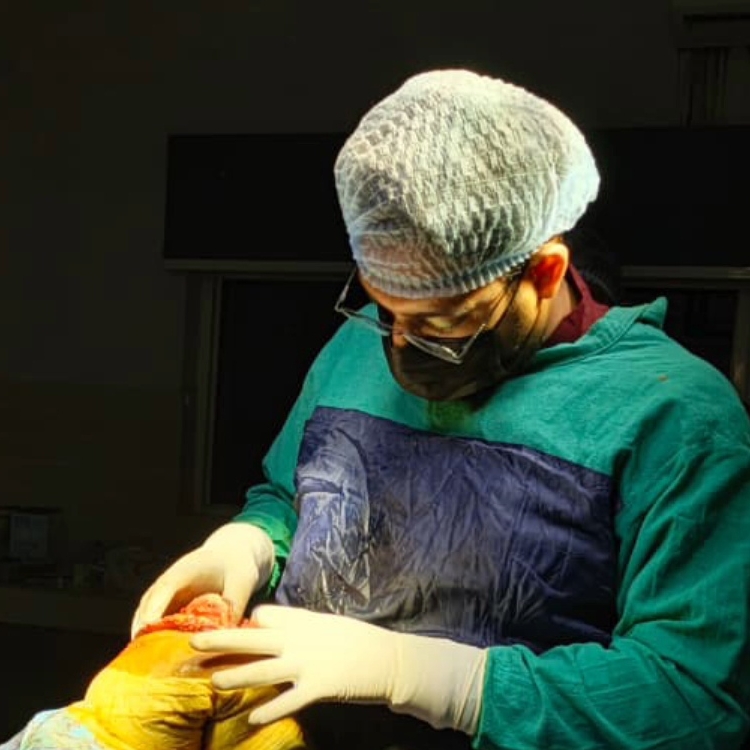
 Orthopedic Surgeons
 Orthopedic Spine Surgeons

 General Surgeon

 Surgery

 Obstetricians and Gynecologists
 Gynecology