Medically reviewed by Mrs Moumita Ganguly
Holistic Mental Wellness Tips for Seniors Beyond Dementia
On this page
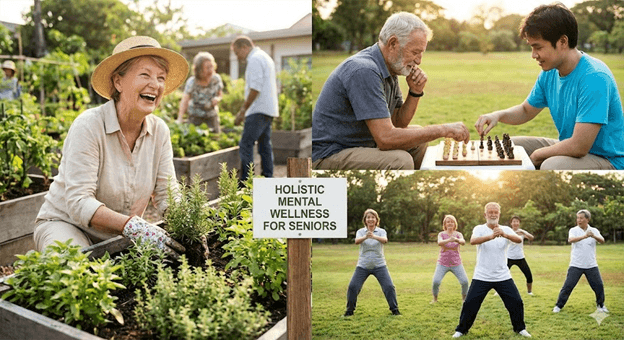
To most, the subject of mental health in ageing starts and ends with the term dementia. Although the cognitive decline is a critical issue that needs to be taken into account, it is just one part of the mental wellness of seniors.
Most older adults are no longer in the stage of dementia, but are experiencing complicated emotional, social, and psychological transitions with what comes with the golden years, including retirement and grief, and coping with chronic conditions and a sense of purpose changing.
For families in metropolitan regions in India, awareness of available support systems—such as Dementia care in Delhi NCR —is often the first step toward ensuring that all facets of a senior’s holistic needs, including emotional well-being and mental fitness, are met within a supportive environment.
Mental wellness in the later years does not only exclude the presence of disease, but it also includes a quality of liveliness, purpose, and relationships. This is the keystone of the holistic concept of wellness, which is to consider the entire entity of the person: Mind, Body, Spirit, and Social ties to create a truly happy life.
Mind Nurturing
A sharp mind is a happy mind. With as much emphasis as we put on preventative strategies against the onset of cognitive decline, we should also put forth the emotional scaffolding behind such decline. Depression and anxiety are not aspects of growing old, but they are prevalent and mostly incorrectly identified. Intentional activity is the secret of emotional wellness.
Mental Fitness strategies:
● Lifelong Learning: Put the brain to task. This may be to learn a new language, to enter a programming course, to join a book club or to engage in a complicated puzzle, such as Sudoku and crosswords. People can stimulate their minds and build new neurons because of intellectual stimulation, which improves cognitive reserve.
● The Strength of Memory and Mood: Activities that appeal to the memory and emotion may be extremely soothing to the seniors. This is where sensory and creative therapies are put to the fore. As an example, intentional employment of sound and music, which is also referred to as the music therapy of dementia patients , is a highly effective treatment, not only for people with impaired cognition, but also for the entire senior population. It is capable of having an enormous impact on lowering anxiety and elevating mood through generating positive emotional associations and memories.
● Emotional Check-ins: Promote the discussion of feelings. Retirement, death of a spouse or friends, physical incapability are all major aspects in life which can cause underlying grief and depression. It is important to normalise the act of asking a therapist/ counsellor to help you.
The Mind and Body Connection
The relationship between physical health and mental health cannot be compromised, particularly in old age. What is good to the heart is also good to the brain. The holistic mental wellness plan should include a promise to maintain physical health.
Physical Vitality Strategies:
● Light yet Feeling Movement: The most effective anti-ageing strategy is exercise, which is the only effective method to use. It secretes endorphins, decreases stress hormones, and enhances blood circulation to the brain. Tai Chi, water aerobics, or a daily stroll are considered to be excellent as low-impact activities to build mobility and balance, as well as mood.
● Brain-Boosting Nutrition: An omega-3 fatty acids-rich diet, a diet rich in antioxidants and whole grains, promotes optimal brain functioning. Restricting processed food and sugar will prevent inflammation, which is considered to be a contributing factor in physical and mental decay.
● Make Sleep Hygiene your Priority: Good Sleep is that which allows the brain to carry out its much-needed housekeeping, i.e. memory consolidation and toxin clearance. Conventionally, scheduling sleep and securing a dark and silent sleeping environment will go a long way in minimising anxiety and depression symptoms.
The Pillar of Social and Spiritual Wellness
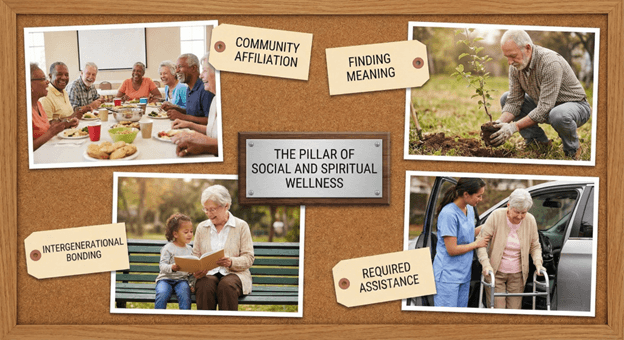
Man is essentially a social animal. Isolation and loneliness are the leading contributors to poor physical and mental health conditions among the elderly, which in many instances can easily be as harmful as smoking or obesity. Additionally, the feeling of meaning and purpose makes life have a timeless structure and pleasure.
Connection and Purpose Strategy:
● Community Affiliation: Take every possible action to join a group. This may imply volunteering, attending a community centre or participating in religious or spiritual meetings. Such activities take up the social system lost under retirement.
● Intergenerational Bonding: The time spent with grandchildren or mentoring the younger generations offers a deep sense of worth and relevance. It enables the elderly to pass on their wisdom, a key element of emotional fulfilment.
● Finding Meaning: This does not necessarily need to be religious; it is all about relating to something bigger than this person. It might be in nature, or some creative arts or equally a committed spiritual routine such as meditation or mindfulness.
● Required Assistance: In the case of families that reside in large cities, it may prove tough to take care of the overall well-being of an elderly relative. By seeking professional assistance in the form of specialised residential or even at-home care services, the services render a critical supporting push to the elder and the family. Awareness regarding the existing opportunities in terms of dementia care, such as those, is the first step towards assuring that all the facets of the holistic needs of a senior, such as mental fitness or physical medication, are fulfilled in a nurturing community. Cognitive engagement is part of the effort of effective dementia care, as well as emotional well-being.
An integrated approach:
In addition to the habit, there are numerous non-pharmaceutical therapies which have powerful mental wellness advantages. The use of these therapeutic models is founded on the knowledge that the brain is very sensitive to sensations and creative writing.
● Sensory and Creative Arts: By involving seniors in such activities as painting, pottery, or creative writing, a non-verbal form of expressing emotions will also enable the seniors to work through their emotions of loss or anxiety, which they might otherwise not express in words.
● Reminiscence Therapy: The talk about past stories and the examination of old photographs is an effective method to prove the life experience of the senior and strengthen their self-esteem. It strengthens the feeling of belonging and identity.
● Mood and Memory therapies: As observed above, music therapy of dementia patients or that of patients who did not develop dementia is an impressive example of a combined therapy. The singing in a choir, playing of an instrument, or just listening to some favourite melodies, the music can also regulate the mood, improve the memory and help to enjoy social interaction. This and other specialised approaches have been included in the wellness programmes of many quality providers in the dementia care they offer in Delhi NCR. Moreover, the music therapy principles of dealing with dementia patients are already effectively used to fight the isolation of all seniors.
Proactive Wellness Plan:
Old age must be perceived as a project, and not a problem, as far as mental wellness is concerned. It involves a dynamic, active management, similar to the management of a long-term physical condition.
● For Seniors: Start small. Select a new social activity and a new physical activity every month. This is aimed at uniformity, rather than intensity.
● To Practitioners: Adopt a role of encouragement and enablement role for families. Instead of doing on behalf of the senior, empower the senior to continue being independent by offering resources and transport to the social classes or volunteer activities. Emotional well-being should be addressed like medication through a regular family meeting schedule.
Conclusion
It is not a process of disappearance, as ageing is an ongoing process of change. Through a completely holistic way of thinking about mental health, which actively feeds the mind, body, and spirit, and social life, the elderly can face the challenges of later adulthood with strength, happiness, and meaning. It is about being able to live a life in which vitality is the norm, and each day it is something new to learn, connect, and prosper.
Reviewer

Mrs Moumita Ganguly
Psychologist
Mrs. Moumita Ganguly is a dedicated psychologist with a passion for understanding the intricacies of the human mind. She graduated from Jind University, where she earned her Postgraduate Diploma in Rehabilitation Psychology (PGDRP). With her extensive training, she specializes in helping individuals navigate emotional and psychological challenges, providing compassionate support and evidence-based strategies. Mrs. Ganguly is committed to fostering mental well-being and resilience in her clients, drawing on her knowledge and experience to create a safe and nurturing environment for personal growth.
View profileAuthor

DocIndia Editorial Team
Check cache DocIndia Editorial Team works with Doctors to create informative articles.
View profile