Pain while climbing stairs – knee problem or muscle issue?
On this page
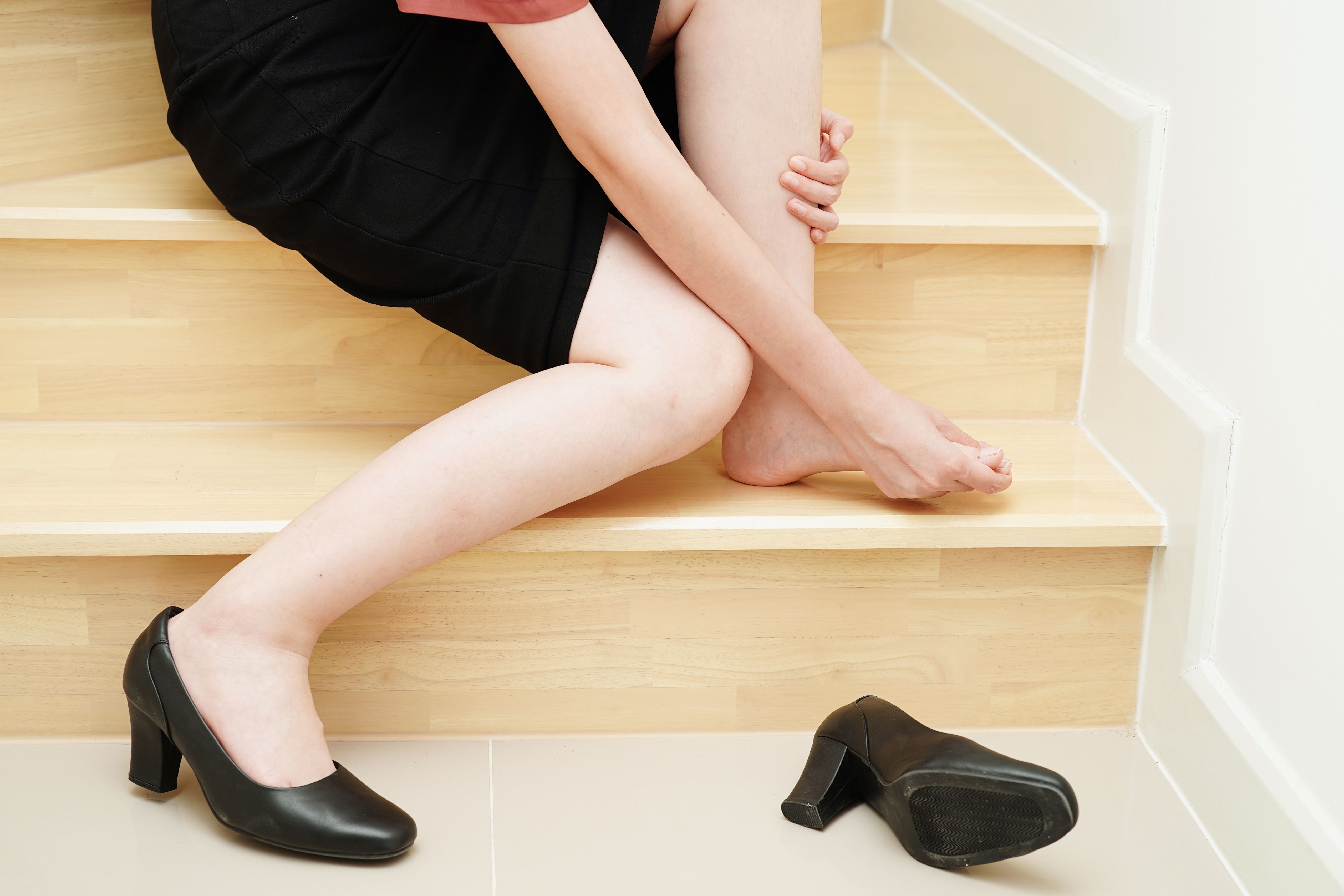
Pain while climbing stairs is a common problem that can affect people of different age groups. Some people may feel discomfort only while going upstairs, while others may experience pain both while climbing and coming down the stairs. The pain may feel sharp, dull, aching, or stiff depending on the cause.
This type of pain is often linked to the knees, but in some cases, weak or strained muscles around the legs and hips may also be responsible. Since climbing stairs puts extra pressure on the knees and surrounding muscles, underlying problems may become more noticeable during this activity. Understanding whether the pain is related to the knee joint or muscles can help in getting proper treatment and preventing further discomfort.
Why Does Pain Occur While Climbing Stairs?
Climbing stairs increases pressure on the knee joints, thigh muscles, and supporting ligaments. If any of these structures are weak, inflamed, or injured, pain may develop during movement.
Pain may occur due to:
Knee joint problems
Muscle weakness or strain
Ligament injuries
Cartilage damage
Inflammation around the joint
The exact location and type of pain can sometimes help identify the cause.
Common Knee Problems That Cause Pain While Climbing Stairs
Several knee-related conditions may cause discomfort during stair climbing.
1. Knee Osteoarthritis
Osteoarthritis is one of the most common causes of knee pain, especially in older adults.
It occurs when the protective cartilage in the knee gradually wears down.
Symptoms may include:
Pain during movement
Stiffness
Swelling
Cracking or grinding sounds in the knee
Pain may become more noticeable while climbing or descending stairs.
2. Patellofemoral Pain Syndrome
This condition causes pain around the front of the knee and is common in physically active individuals.
The pain usually occurs:
Around or behind the kneecap
While climbing stairs
After sitting for long periods
It may happen due to overuse, poor knee alignment, or muscle imbalance.
3. Meniscus Injury
The meniscus is cartilage that cushions the knee joint. A tear can lead to pain and difficulty during movement.
Symptoms may include:
Knee locking or catching
Swelling
Pain while bending the knee
4. Ligament Injuries
Ligaments support and stabilize the knee joint.
Injuries may happen due to:
Sudden twisting movements
Sports injuries
Falls or accidents
Pain and instability may become worse during stair climbing.
5. Knee Tendinitis
Inflammation of the tendons around the knee can also cause pain.
This may develop due to:
Repetitive strain
Excessive exercise
Jumping or running activities
Pain is often felt below the kneecap.
Muscle-Related Causes of Pain While Climbing Stairs
Sometimes the problem may not be directly related to the knee joint.
1. Weak Thigh Muscles
The thigh muscles help support and stabilize the knees. Weak muscles may increase pressure on the joints.
This may lead to:
Knee strain
Pain during climbing
Muscle fatigue
Strengthening exercises may help improve support.
2. Muscle Strain
Overuse or sudden physical activity can strain the muscles around the legs and hips.
Symptoms may include:
Muscle soreness
Tightness
Pain during movement
Pain usually improves with rest and proper care.
3. Hip Muscle Weakness
Weak hip muscles can affect body balance and increase pressure on the knees.
This may lead to:
Poor walking posture
Knee discomfort during stair climbing
Reduced leg stability
4. Calf Muscle Tightness
Tight calf muscles may affect movement and place additional stress on the knees.
This can make stair climbing uncomfortable or painful.
How to Tell If the Pain Is a Knee Problem or Muscle Issue
Certain signs may help identify the possible cause.
Pain more likely related to the knee joint if:
Swelling is present
The knee feels unstable
Clicking or locking occurs
Pain is directly around the kneecap
Pain more likely related to muscles if:
Muscle tightness or soreness is present
Pain improves with stretching
There is no swelling in the knee
Weakness is felt in the thighs or hips
However, proper medical evaluation may still be needed for an accurate diagnosis.
When Should You Consult a Doctor?
You should seek medical advice if:
Pain continues for several weeks
Swelling increases
Walking becomes difficult
The knee feels unstable
Pain affects daily activities
Early treatment may help prevent worsening of the condition.
How Doctors Diagnose the Problem
A healthcare professional may identify the cause through:
Physical examination
Medical history
X-rays
MRI scans in some cases
These tests help evaluate the joints, muscles, and ligaments.
Treatment Options
Treatment depends on the underlying cause of pain.
Common treatment methods include:
Rest and activity modification
Physical therapy
Stretching and strengthening exercises
Pain-relief medications
Weight management
Knee support braces if needed
Severe injuries may sometimes require surgical treatment.
How to Prevent Stair-Climbing Pain
Simple lifestyle changes may help reduce pressure on the knees and muscles.
Helpful habits include:
Regular exercise
Maintaining healthy body weight
Proper stretching before activity
Wearing supportive footwear
Avoiding excessive strain on the knees
These steps may improve strength and joint support.
Final Thoughts
Pain while climbing stairs may happen due to knee joint problems, muscle weakness, tendon inflammation, or injuries. Knee conditions like arthritis and patellofemoral pain syndrome are common causes, but weak muscles around the hips and thighs can also contribute to discomfort.
Persistent pain should not be ignored, especially if swelling, instability, or difficulty walking develops. Proper diagnosis and treatment can help improve movement, reduce pain, and support long-term joint and muscle health.
Also Check: Joint pain for more than a month – what should be done?
Authors

Bidiptaa Sen
MA in Mass Media and Communication, Jadavpur University With 3.5+ years of experience in writing marketing and SEO content on healthcare and wellness, I write articles that help people to get an idea regarding medicines that are prescribed, how to improve their wellness care and educate people how to choose accurate health facilities. My communication skills, depth of knowledge in media management and strategic methods for better social media engagement and improving readers' experience through extensive research on the healthcare scenario.
View profile
Yashodhwara Singh
I completed my BTEC in Aeronautics from Acharya Institute, Bengaluru, and my schooling from Aligarh Muslim University. I have completed multiple internships, including at HAL. With prior experience in technical writing, I currently work part-time as a medical content writer at DocIndia.
View profile