Coconut Water Benefits for Glowing, Healthy Skin | DocIndia
On this page
- ✅ 1. Deep Hydration & Moisture Retention
- ✅ 2. Natural Detox for Clear Skin
- ✅ 3. Anti-Aging Benefits
- ✅ 4. Soothes Inflammation & Redness
- ✅ 5. Balances Oily Skin
- ✅ 6. Evens Out Skin Tone & Reduces Pigmentation
- How to Use Coconut Water for Skin Health
- Expert Insights from DocIndia Dermatologists
- Things to Keep in Mind
- ✅ FAQs (Frequently Asked Questions)
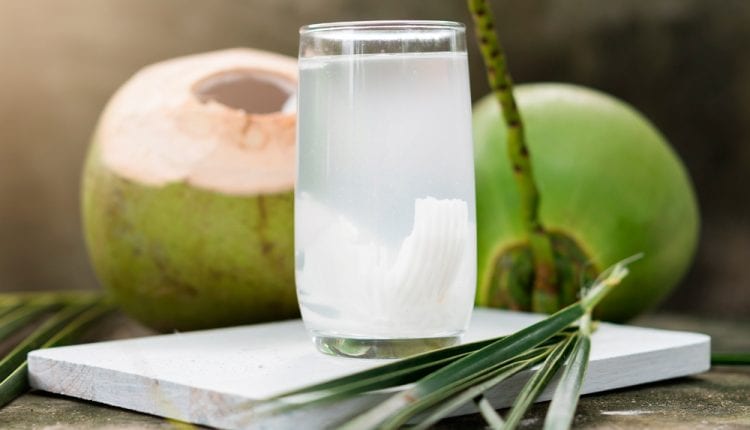
Coconut water is more than just a refreshing summer drink—it’s a skin-friendly superfluid packed with electrolytes, antioxidants, and natural hydration agents. Whether you're battling acne, dullness, or early signs of aging, coconut water could be the gentle remedy your skin has been waiting for.
In this post, DocIndia experts explore the science-backed skin benefits of coconut water , how to use it topically or internally, and what dermatologists have to say.
✅ 1. Deep Hydration & Moisture Retention
Coconut water is rich in potassium and magnesium, two essential electrolytes that help your skin maintain its moisture barrier.
Why it matters: Dehydrated skin leads to dullness, flakiness, and premature wrinkles.
How it helps: Drinking coconut water regularly may improve skin hydration from within, while topical application can provide a cooling, soothing effect—ideal for dry or sensitive skin types.
✅ 2. Natural Detox for Clear Skin
Thanks to its diuretic and detoxifying properties, coconut water helps flush out toxins that contribute to acne, blackheads, and breakouts.
Skin clarity: Its gentle cleansing action promotes clearer pores and fewer eruptions.
Bonus: Its antimicrobial compounds can inhibit the growth of acne-causing bacteria.
✅ 3. Anti-Aging Benefits
Coconut water contains cytokinins, plant hormones that have shown promise in reducing cell damage, enhancing cell regeneration, and slowing the skin aging process.
Result: Improved elasticity, reduced fine lines, and a visibly firmer look over time.
✅ 4. Soothes Inflammation & Redness
Suffering from sunburn, rashes, or inflamed skin? Coconut water is a natural anti-inflammatory agent that calms irritated skin without any chemicals.
Use tip: Dab chilled coconut water with a cotton pad directly on the affected area to reduce redness and swelling.
✅ 5. Balances Oily Skin
Coconut water’s light, non-greasy texture helps in regulating excess oil production while maintaining hydration.
Dermatologist tip: It’s perfect for those with combination or oily skin looking for a balanced solution that doesn’t clog pores.
✅ 6. Evens Out Skin Tone & Reduces Pigmentation
With continuous use, coconut water may help fade dark spots, reduce pigmentation, and even out skin tone, thanks to its gentle exfoliating properties and hydration boost.
DIY skincare tip: Mix coconut water with a few drops of lemon juice and apply it as a toner twice a week (patch test first).
How to Use Coconut Water for Skin Health
Method How Often Notes
Drink it daily - 1 glass/day : Always choose fresh, unsweetened coconut water.
Use as toner - 2–3x per week : Use chilled for best effect; store no more than 24 hours.
Mix with face pack - Weekly : Combine with Multani Mitti or aloe vera gel.
Expert Insights from DocIndia Dermatologists
“Coconut water is a gentle, holistic skincare ally—ideal for hydration, inflammation control, and balancing the skin’s pH levels. However, it’s not a cure-all. Think of it as a supportive skincare nutrient, not a standalone treatment.”
— Dr. Nandita Sharma, Dermatologist, DocIndia Panel
Things to Keep in Mind
Always use fresh coconut water.
Perform a patch test before applying topically.
Don’t expect overnight miracles—use consistently for visible results.
✅ Final Word
Coconut water is a natural, affordable way to nourish your skin from the inside out. Whether you drink it or apply it topically, its unique combination of nutrients makes it a smart addition to your skin health routine.
Want more expert-backed natural skincare advice?
Explore hundreds of tips on DocIndia.org, your trusted health guide.
✅ FAQs (Frequently Asked Questions)
1. Is coconut water good for all skin types?
Yes, coconut water is generally safe and beneficial for all skin types, including oily, dry, and sensitive skin. However, it's best to patch-test before applying directly to your face.
2. How does coconut water help in reducing acne?
Coconut water contains anti-inflammatory and antimicrobial properties that may help reduce acne-causing bacteria and calm inflamed skin.
3. Can coconut water lighten the skin tone?
While it doesn’t bleach the skin, coconut water can enhance your natural glow and even out the skin tone by improving hydration and removing toxins.
4. Is drinking or applying coconut water better for the skin?
Both methods are effective. Drinking it hydrates skin from within, while applying it topically helps soothe and cleanse the skin externally.
5. How often should I use coconut water on my face?
You can apply fresh coconut water on your face 2–3 times a week as a toner or mix it with natural ingredients for a DIY face mask.
Author

DocIndia Editorial Team
Check cache DocIndia Editorial Team works with Doctors to create informative articles.
View profile