Medically reviewed by Mrs Farhat Khan
Calories In Diet Coke: Nutrients, Health Benefits, And Other Details
On this page
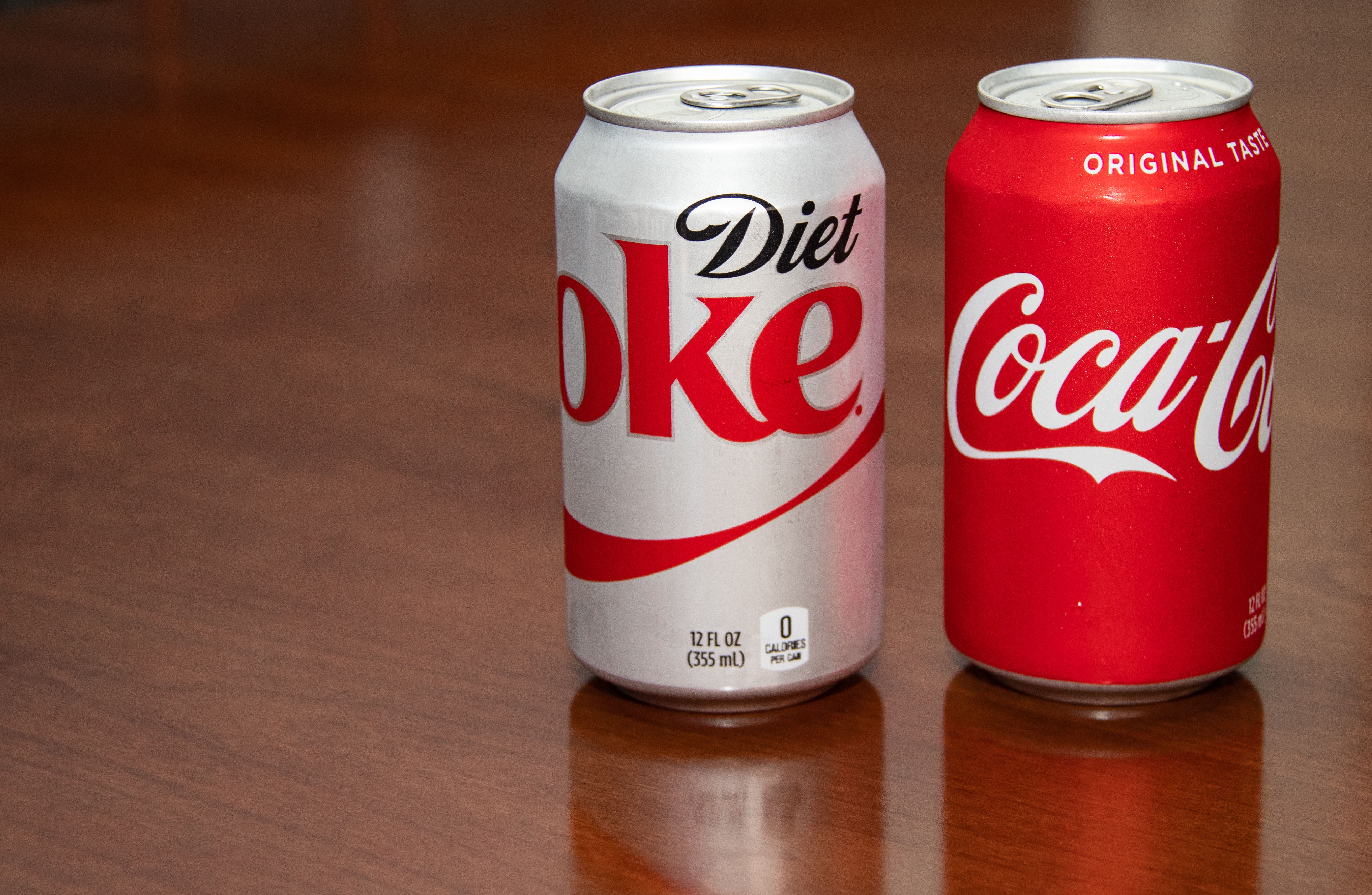
Who does not prefer to have a can of chilled Coke to freshen up, especially on a hot, summer day? But since Coke or similar types of sugary beverages are rich in calories, many people prefer to consume Diet Coke as an alternative. This is because it is often believed that Diet Coke is low in calorie content and thus will not lead to any severe addition to your body weight when consumed.
But, are you aware of the exact calorie content of Diet Coke? If not, then this article is considered to be the best for you. This article will give you a detailed account of the calories present in Coke, some of the nutrients that are found in it, whether there are side effects that one can face after having Diet Coke, and other necessary details.
What is the net calorie content in a Diet Coke?
When you consume diet coke, you may inherently presume that this Coke is low in calories. And it is true to some extent, because diet coke free from the sugar content that is commonly found in most beverages. In fact, Diet Coke is one of the most popular sugar-free soft drinks that is consumed all over the world. The calorie content of Diet Coke will not vary significantly - on average, a can of around 330 ml of Diet Coke may contain between 0 and 1 calorie. The calorie content will increase to approximately 1 to 2 kcal if you consume a Diet Coke, which contains 500 ml in the can.
Intake of Diet Coke can therefore help to minimise the risks of increasing your body weight, mostly because there is little or no added sugar present in this soft drink. The sweet taste that you find in Diet Coke mostly comes from artificial sweeteners, such as aspartame or components like acesulfame potassium, and many others. All these components can ensure that you are not adding up calories in your body, and thus there will be little or much lower risks of developing disorders such as obesity, and health issues that develop as a result of obesity, such as diabetes mellitus, cardiac diseases, and so on.
Key ingredients and components in Diet Coke:
As such, there is no major nutritional component in Diet Coke, mostly because it is a soft drink. Some of the major components for your body’s overall benefit that are present in drinks like Diet Coke include around 35 to 45 milligrams of sodium, carbonated water, and some amounts of caffeine that can help to provide energy to the body. But this low-calorie alternative to soft drinks or beverages is often considered to be much better compared to regular soft drinks or the usual Coca-Cola.
Many experts have often raised major questions regarding the health benefits of having diet coke. Though this soft drink is low in calorie content, it contains negligible or almost no amounts of macro or micro nutrients that would provide any benefit for the physiological functioning of your body.
Moreover, Diet Coke contains some amounts of phosphoric acid, artificial sweeteners, caramel colour, and natural flavouring agents. All these ingredients in Diet Coke are often questioned by health experts, as these components that are used in Diet Coke can have very little or almost no contribution to your overall health and wellness.
Is there any benefit to having diet coke?
Apparently, it may often feel that Diet Coke lacks nutritional components, and therefore, might not result in any kind of health benefit. Moreover, the components that are present in Diet Coke may not benefit any physical functioning in your body.
But if you consume Diet Coke in limited amounts, or at least in moderation, then you are likely to get some benefits. Some of the most common of them can be listed here as follows:
1. Diet Coke helps in weight management:
Suppose you have a craving for soft drinks or similar kinds of beverages; there is a chance of gaining more body weight if you consume regular soft drinks. Diet Coke is different from other cold drinks because it does not have added sugar, and it is significantly low in calorie content. So, there will be no additional risks of gaining body weight or going through conditions like obesity or similar, when you are consuming limited amounts of Diet Coke.
2. Diet Coke reduces your sugar intake:
Consuming diet coke instead of an average cold drink can help to cut down your intake of excess amounts of sugar. On one hand, Diet Coke, in itself, contains zero sugar, and on the other hand, it lowers your consumption of added sugar. Therefore, Diet Coke can be a better alternative as a soft drink for those who have high levels of blood glucose. This drink, therefore, is more suited for those who are willing to undergo a healthy weight loss, trying to reduce sugar intake, or are willing to manage calorie consumption. In fact, having diet coke instead of any soft drink can help to reduce the risks of developing increased blood sugar levels or diabetes significantly.
3. Having diet coke can give you a caffeine boost:
Consuming Diet Coke can help to improve your energy levels, as Diet Coke is rich in caffeine content. High amounts of caffeine in Diet Coke can help to improve alertness and can also help in better focus and concentration.
Apart from this, the caffeine in Diet Coke can also help to reduce extreme levels of tiredness and exhaustion that you may experience after a long day at work. Other than reducing your fatigue temporarily, having diet coke can also help to momentarily enhance your overall mood by reducing overall stress and levels of anxiety.
4. Diet Coke is better for your teeth:
It is often claimed by many dentists that consuming too much of sugary drinks can inevitably cause damage to your teeth, because the gum and teeth bacteria worsen and cause more plaque formation due to the presence of sugary substances within the mouth. Diet Coke does not contain sugar, and this helps to reduce the risks of tooth decay and gum problems by reducing the levels of acidity inside the mouth and gum chambers.
Which expert should you consult before having diet coke?
Though Diet Coke is quite commonly consumed over average soft drinks, it is always advisable to consult an expert before you wish to have Diet Coke. This is suggested to avoid side effects or any health risks from the ingredients that are present in Diet Coke. It is always better to consult a registered nutritionist or a dietitian before you plan to consume diet coke. This is because such an expert will be able to tell you whether the ingredients in Diet Coke are suited for your health, how much Diet Coke you must consume in a day based on your calorie intake, whether you need to drink Diet Coke at all, and other necessary details.
You can also speak to your diabetic expert before having diet coke, especially if you have high levels of blood sugar or if you are diabetic.
Side effects of having diet coke:
Though Diet Coke is a healthy alternative to any sugary soft drink, there can still be some potential side effects of having Diet Coke. Some such side effects are listed here as follows:
1. Increase in cravings for sweet dishes, which can increase calorie intake
2. Ingredients in Diet Coke can affect the gut microbiome
3. Your digestion may get disrupted, leading to bloating, gas, acid reflux, and discomfort in the stomach
4. Lack of appetite caused by aspartame.
Final Thoughts:
To conclude, it can be said that Diet Coke is a healthier alternative to any kind of sugary soft drink. It is devoid of added sugar and low in calorie content, which makes it a common choice among diabetic patients and for those who intend to have a low-calorie diet for weight loss.
Reviewer

Mrs Farhat Khan
Dietician
I have a work experience of 7 years. I like to write blogs on health topics, some of my blogs on google are Omega 3 for muscle building, Active rest , Resting heart rate. I have a work experience of 3 years as a clinical & consulting dietician in Gynaecologist hospital & 4 years as a health coach on the Goqii health application.
View profileAuthors

Bidiptaa Sen
MA in Mass Media and Communication, Jadavpur University With 3.5+ years of experience in writing marketing and SEO content on healthcare and wellness, I write articles that help people to get an idea regarding medicines that are prescribed, how to improve their wellness care and educate people how to choose accurate health facilities. My communication skills, depth of knowledge in media management and strategic methods for better social media engagement and improving readers' experience through extensive research on the healthcare scenario.
View profile
Sania Thakur
Content writer and marketing professional with strong sales and business skills. Experienced in web content writing, data annotation, and teaching, with a proven ability to craft engaging content and drive audience growth. Background in English Literature and Language Teaching from Aligarh Muslim University. Passionate about communication, branding, and strategic market analysis.
View profile