Calories in Batata Vada – Nutrition Facts Information
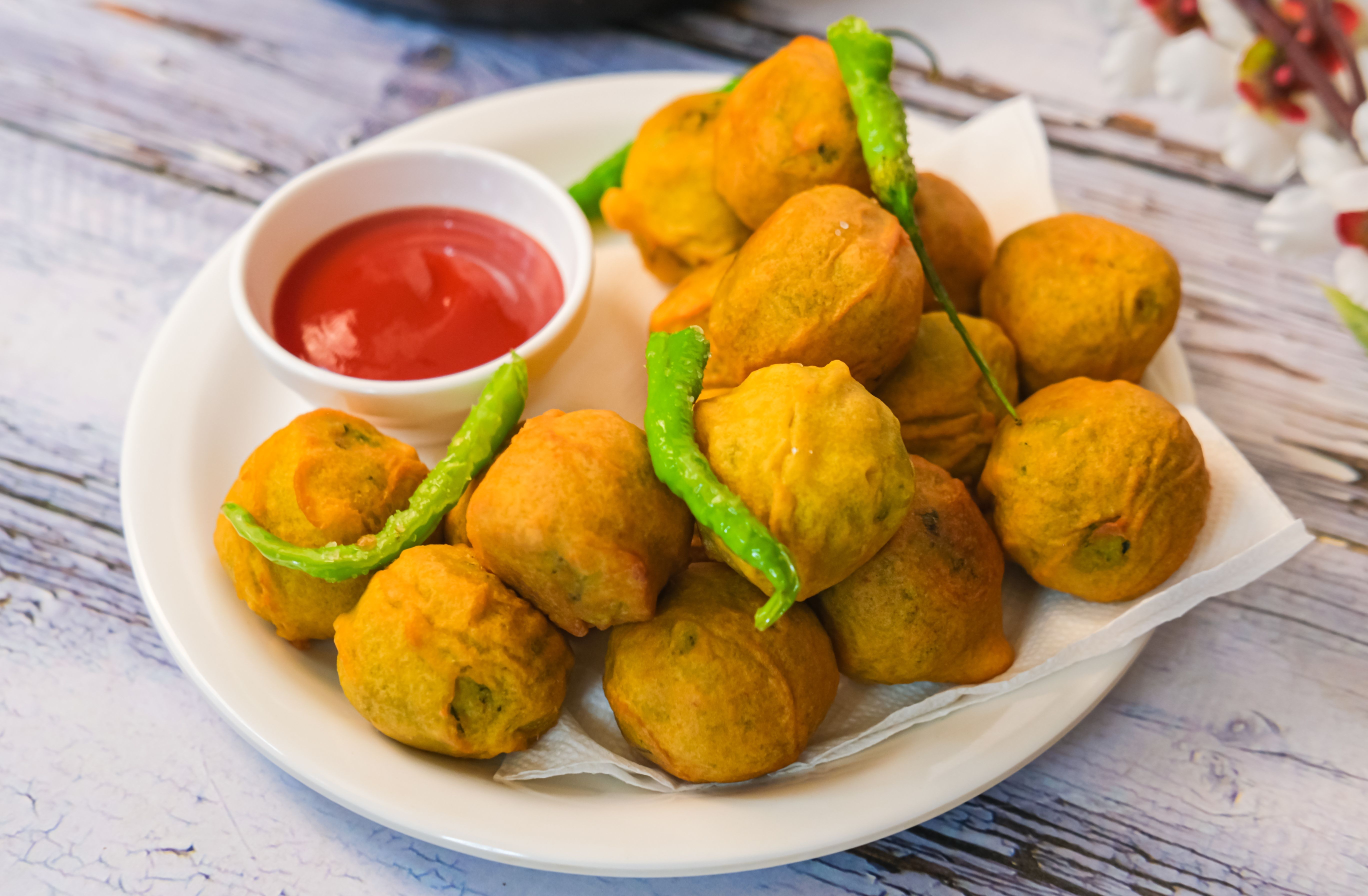
Those who love street food must have devoured batata vada with all the delicacies of potato patties coated with chickpea batter. It is a very popular and commonly consumed street food in Maharashtra but enjoyed in other parts of India as well. But are you sure if batata vada is good for your health? This article will give you a clear account of the number of calories that are present in batata vada, the list of nutritional components found in this street food, if any, the different types of health benefits that you can get from batata vada, and other important facts.
Calories in Batata Vada:
The net number of calories in batata vada will differ from one patty to another, depending on the way this vada is cooked. Certain factors will influence the calorie content in batata vada, some of which can be roughly listed below:
The way the batata vada is cooked
The size of the vada
The amount of oil used while frying the potato patty
Ingredients used in the coating of the patty
The portion size you have or the number of patties you consume on each plate.
Batata vada is mostly high in calorie content. On average, one plate of batata vada containing one medium-sized potato patty, weighing around 100 grams, can contain around 180 to 220 calories. Most of the calories present in this vada come from the potatoes and the oil that are used while cooking the vada, especially from the carbohydrates that are present in it. The calorie content in batata vada is likely to increase further if you consume this vada with bread or add chutneys of different kinds.
Is there any nutrient in batata vada?
Batata vada is definitely not a nutritional food, but certain ingredients that are used in this vada, such as potatoes, gram flour, and spices, can provide you with some amounts of nutrients. The most common nutritional components found in batata vada can be listed below:
1. Carbohydrates:
Batata vada is rich in carbohydrates, mostly because this dish is made of potatoes, which contain a lot of carbohydrates. These carbohydrates are beneficial to provide you with immense amounts of energy that can help you perform various types of physical activities.
2. Protein:
You can get some amounts of protein from components like gram flour, which is used while making batata vada. This is because gram flour, commonly known as besan, is a rich source of plant-based protein that aids in better muscle repair and improves overall body maintenance.
3. Dietary fibre:
A small amount of dietary fibre is present in batata vada, which is mostly derived from both potatoes and gram flour, and this helps in improving regular gut movement and can help to support your overall digestive health.
4. Vitamins and minerals:
There are very small quantities of vitamins and minerals that are found in batata vada, such as vitamin C and vitamin B6, along with potassium, magnesium, and iron. When consumed in limited amounts, these components can be beneficial for improving your overall body functioning.
Which specialist should you consult for having batata vada?
Batata vada is most consumed as a delicious snack option that can also serve as a quick source of energy. But is having batata vada good for your overall health and wellness at all? So, if you are doubtful about the intake of batata vada, it is important to take expert opinion first. In such a case, you may consult with a registered nutritionist or a dietitian . This is because consulting a specialist will be able to get an idea regarding:
Whether you can have batata vada occasionally as a street food
The portion size of your total batata vada intake
How you can cook batata vada (at home).
Final Thoughts:
Batata vada, when consumed in limited amounts, is often considered a snack that keeps you full for quite some time and gives you quick energy as well. But there are significant side effects of this vada as well. If you consume these kinds of vadas from the street side in higher amounts or frequently, you are likely to take in more calories, which can lead to obesity and various types of physical problems. So, try to limit the intake of batata vada and make them at home if possible.
Also Check: Aloo Paratha Calories and Nutritional Information
Authors

Bidiptaa Sen
MA in Mass Media and Communication, Jadavpur University With 3.5+ years of experience in writing marketing and SEO content on healthcare and wellness, I write articles that help people to get an idea regarding medicines that are prescribed, how to improve their wellness care and educate people how to choose accurate health facilities. My communication skills, depth of knowledge in media management and strategic methods for better social media engagement and improving readers' experience through extensive research on the healthcare scenario.
View profile
Surbhi Singhal
Surbhi is dedicated and self-motivated Ph.D. scholar passionate about Content Creation, Editing, and Teaching. I excel in dynamic environments, thrive on challenges, and am eager to contribute my expertise and enthusiasm in pushing the boundaries of knowledge.
View profile