Importance of Family Medicine in Healthcare?
Family Medicine is a medical specialty that provides comprehensive healthcare for individuals of all ages, from infants and children to adults and elderly patients. Family medicine focuses on the prevention, diagnosis, treatment, and long-term management of a wide range of health conditions while considering the overall physical, emotional, and social well-being of patients.
A family medicine physician, also known as a family doctor, serves as the first point of contact for healthcare needs and provides continuous care throughout different stages of life. Family physicians are trained to treat acute illnesses, chronic diseases, perform routine health screenings, and coordinate care with specialists when necessary.
What Is Family Medicine?
Family medicine is a patient-centered approach to healthcare that emphasizes:
● Preventive care
● Early disease detection
● Health education
● Management of acute and chronic illnesses
● Long-term doctor-patient relationships
● Comprehensive care for the entire family
Family physicians are uniquely trained to address a broad spectrum of medical concerns rather than focusing on a single organ system or age group.
Conditions Managed in Family Medicine
Family medicine physicians diagnose and treat a variety of health conditions, including:
Common Acute Illnesses
● Fever
● Cold and flu
● Sore throat
● Cough
● Ear infections
● Sinus infections
● Gastrointestinal infections
● Minor injuries
Chronic Diseases
● Hypertension (high blood pressure)
● Diabetes
● Asthma
● Arthritis
● Thyroid disorders
● Heart disease
● High cholesterol
General Health Concerns
● Fatigue
● Headaches
● Allergies
● Skin conditions
● Digestive problems
● Sleep disorders
● Weight management issues
Services Offered in Family Medicine
General Health Consultations
Family physicians provide medical evaluations for new symptoms, ongoing health concerns, and routine healthcare needs.
Preventive Healthcare
Preventive care focuses on maintaining health and preventing disease.
Services include:
● Annual health checkups
● Vaccinations
● Health screenings
● Lifestyle counseling
● Nutritional guidance
● Smoking cessation support
Chronic Disease Management
Family physicians help patients manage long-term conditions through:
● Regular monitoring
● Medication management
● Lifestyle modifications
● Preventive interventions
● Specialist referrals when needed
Women's Health Services
Family medicine may include:
● Routine health examinations
● Menstrual health management
● Contraceptive counseling
● Menopause care
● Preventive screenings
Men's Health Services
Common services include:
● Routine health assessments
● Blood pressure monitoring
● Prostate health counseling
● Lifestyle and wellness guidance
Pediatric Care
Family physicians often provide healthcare for children, including:
● Growth and development monitoring
● Vaccinations
● Treatment of common childhood illnesses
● Nutritional counseling
Geriatric Care
Family medicine also addresses the healthcare needs of older adults through:
● Chronic disease management
● Medication reviews
● Mobility assessments
● Preventive care planning
Benefits of Family Medicine
Family medicine offers numerous advantages, including:
● Comprehensive healthcare for all ages
● Continuity of care over time
● Personalized treatment plans
● Focus on prevention and wellness
● Early detection of health conditions
● Better management of chronic diseases
● Coordinated care with specialists
● Strong doctor-patient relationships
When Should You See a Family Medicine Doctor?
You should consider consulting a family physician if you have:
● General health concerns
● Fever or infections
● Persistent cough or cold symptoms
● Chronic medical conditions
● High blood pressure
● Diabetes
● Routine healthcare needs
● Preventive screening requirements
● Questions about medications or treatment plans
Family physicians can also guide patients regarding when specialist care is needed.
Diagnostic Services in Family Medicine
Family medicine clinics may provide or coordinate:
● Blood tests
● Urine tests
● Blood pressure monitoring
● Diabetes screening
● Cholesterol testing
● Electrocardiograms (ECG)
● Imaging referrals
● Preventive health screenings
These diagnostic tools help identify and monitor various health conditions.
Importance of Preventive Care
One of the key principles of family medicine is prevention.
Preventive healthcare may include:
● Routine physical examinations
● Vaccination programs
● Cancer screenings
● Heart health assessments
● Diabetes screening
● Lifestyle counseling
Early detection often leads to better treatment outcomes and reduced healthcare complications.
Family Medicine and Long-Term Health
Family physicians develop an understanding of a patient's medical history, lifestyle, and family health background. This continuity of care allows for:
● More accurate diagnoses
● Better treatment planning
● Early recognition of health risks
● Improved chronic disease control
● Enhanced overall health outcomes
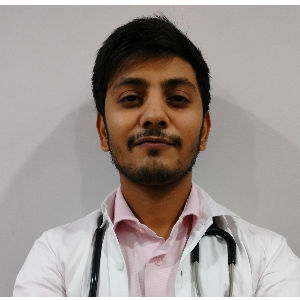
 General Physician

 Internal medicine
.png) Family Medicine
Family Medicine
.png) Emergency Medicine
Emergency Medicine