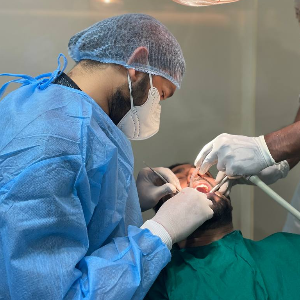
What Is a Dental X-Ray?
A Dental X-Ray is a diagnostic imaging procedure used to examine the teeth, gums, jaw, and surrounding oral structures. It uses low levels of radiation to create detailed images that help dentists identify dental problems that may not be visible during a routine oral examination. Dental X-rays are commonly performed in dental clinics, hospitals, and diagnostic centers as part of preventive and restorative dental care.
Dental X-rays help detect conditions such as tooth decay, cavities, gum disease, impacted teeth, jaw problems, infections, bone loss, and dental abscesses. They are also important for planning treatments like root canal therapy, dental implants, braces, and oral surgeries.
Modern dental imaging often uses digital X-ray technology, which produces images quickly and exposes patients to lower radiation levels compared to traditional film X-rays. Dentists may recommend X-rays regularly depending on the patient’s oral health condition, age, and dental history.
Overall, dental X-rays are an essential diagnostic tool that supports accurate diagnosis and effective dental treatment planning.
Purpose & Benefits of Dental X-Ray
Dental X-rays provide important information about oral health.
• Detects cavities and tooth decay: Helps identify hidden dental problems
• Evaluates gum disease: Detects bone loss and periodontal damage
• Identifies impacted teeth: Commonly used for wisdom tooth evaluation
• Assists treatment planning: Helps in braces, implants, and root canal procedures
• Detects oral infections and abscesses: Supports early diagnosis and treatment
• Monitors dental development: Useful in children and orthodontic care
These benefits help dentists diagnose and manage dental conditions more effectively.
Who May Benefit from This Procedure?
Dental X-rays may be recommended for:
• Patients with tooth pain or sensitivity
• Individuals with swollen gums or gum bleeding
• Patients with suspected cavities or infections
• Children undergoing dental development monitoring
• Individuals preparing for orthodontic or implant treatment
• Patients requiring wisdom tooth evaluation
Dentists may also recommend routine X-rays during regular dental checkups based on oral health needs.
Dental X-Ray Procedure
1. Patient Preparation
The patient may be asked to remove jewelry, eyeglasses, or metal objects that could interfere with imaging.
2. Protective Shielding
A lead apron or thyroid collar may be placed to minimize radiation exposure.
3. Positioning for Imaging
The dentist or technician positions the patient and X-ray machine properly.
4. Capturing the Images
The patient bites on a film or digital sensor while X-ray images are taken.
5. Image Processing
Digital systems display the images immediately on a computer screen.
6. Review & Diagnosis
The dentist analyzes the X-rays to identify dental or jaw abnormalities.
The procedure is quick, painless, and usually completed within a few minutes.
Duration & Treatment Setting
Dental X-rays are generally performed in dental clinics, hospitals, oral diagnostic centers, and specialty dental facilities.
Most standard dental X-ray procedures take about 5–15 minutes depending on the type and number of images required. More advanced imaging such as panoramic X-rays or CBCT scans may take slightly longer.
Patients can usually return to normal activities immediately after the procedure.
Safety, Precautions & Risks
Dental X-rays are generally considered safe because they use very low radiation doses.
Common Effects
• Mild discomfort from biting on the sensor or film
• Temporary gagging sensation in some patients
Possible Risks
• Minimal radiation exposure
• Rare allergic reaction to protective materials
Precautions
• Inform the dentist if pregnant or planning pregnancy
• Use protective lead aprons and thyroid collars when recommended
• Avoid unnecessary repeated imaging
• Follow dentist instructions during the procedure
Digital dental X-rays usually expose patients to lower radiation than traditional methods.
Types of Dental X-Ray
Different dental X-rays are used for different diagnostic purposes.
• Bitewing X-Ray: Detects cavities between teeth
• Periapical X-Ray: Shows the entire tooth from crown to root
• Panoramic X-Ray: Provides a complete image of the jaws and teeth
• Occlusal X-Ray: Captures the upper or lower jaw in one image
• Cephalometric X-Ray: Used in orthodontic treatment planning
• CBCT Scan: Creates detailed 3D images for advanced dental procedures
The dentist selects the appropriate X-ray type based on the patient’s condition and treatment needs.
Recovery After Procedure
Dental X-rays do not usually require any recovery time because the procedure is non-invasive and painless. Patients can continue normal daily activities immediately after imaging.
If the X-rays reveal dental problems, the dentist may recommend additional treatment such as fillings, root canal therapy, gum treatment, orthodontics, or oral surgery. Routine dental visits and proper oral hygiene are important for maintaining good oral health.
Early diagnosis through dental X-rays can help prevent serious dental complications and improve treatment outcomes.

.png) Dentist
Dentist

 Others

 Dental Surgery