What Are Colposcopy and Cervical Biopsy and Why Are They Done?
Colposcopy is a medical test used to look closely at a woman’s cervix (the opening to the uterus) with a special magnifying tool called a colposcope. This tool stays outside the body but helps the doctor see tiny areas of the cervix clearly to check for abnormal changes. If the doctor finds something that looks unusual, they may take a small piece of tissue — this part is called a cervical biopsy. The tissue is then checked under a microscope in a lab to see if cells are normal, precancerous, or cancerous. This combination helps diagnose early problems before they become serious.
Purpose & Benefits of Colposcopy and Cervical Biopsy
These tests are important for checking cervical health and catching problems early.
• Detects abnormal cells: It finds unusual or abnormal tissue that a regular exam or Pap test may miss.
• Helps diagnose cancer risk: It can find precancerous or cancerous changes early, which lets doctors plan care sooner.
• Clarifies unusual symptoms: It helps investigate unexplained bleeding, discharge, or pain that might come from changes in cervical tissue.
• Guides treatment decisions: Biopsy results show exactly what type of cells are present, helping decide the next steps in care.
Who May Benefit from Colposcopy and Cervical Biopsy?
Doctors usually recommend these tests when:
• A Pap smear shows abnormal cells or high-risk HPV (human papillomavirus).
• The cervix looks unusual during a pelvic exam.
• There is bleeding after intercourse, between periods, or after menopause.
• A woman has symptoms like unexplained discharge or pelvic pain.
These tests help doctors check for precancerous changes or early signs of cancer, especially when other tests (like Pap smears) are not normal.
Colposcopy and Cervical Biopsy Procedure
1. Before the test:
You may be told not to have sex, use tampons, vaginal medicines, or douche 24–48 hours before the test, and to schedule it when you are not on your period if possible.
2. During colposcopy:
You lie on a table similar to a pelvic exam. A speculum is gently placed in the vagina, and the doctor uses the colposcope (a strong magnifying tool) to look at the cervix. A mild vinegar (acetic acid) or iodine solution may be applied to highlight abnormal areas.
3. Cervical biopsy:
If an unusual area is found, a tiny piece of tissue is removed with a small tool for lab testing. You may feel a pinch or mild cramp during this step.
4. After the test:
You might have mild cramping, light bleeding, or grey/black discharge for a few days. Avoid tampons, intercourse, and douching as advised.
The whole process usually takes about 10–20 minutes and is done on an outpatient basis — you go home the same day.
Duration & Setting
Colposcopy and cervical biopsy are usually done in a clinic, hospital, or outpatient center. The test itself is short, typically taking 10 to 20 minutes, but you should plan for a longer visit in case multiple biopsies are needed.
You won’t need general anesthesia. Local numbing may be used only for the biopsy part, and most women return to normal activities soon afterward.
Safety, Precautions & Possible Risks
These tests are generally safe, but some mild effects may occur, especially after a biopsy:
Possible mild effects:
• Mild cramping or pelvic discomfort for a day or two.
• Light bleeding or dark discharge.
• Slight discharge for a few days.
Rare complications:
• Heavy bleeding that soaks a pad quickly.
• Infection (fever, foul smell discharge).
• Severe abdominal pain.
Precautions:
Tell your doctor if you are or might be pregnant, take blood thinners, or have bleeding disorders.
If heavy bleeding, fever, or worsening pain occurs after the test, contact your healthcare provider right away.
Colposcopy & Cervical Biopsy vs Pap Smear
A Pap smear is a simple screen that checks cells from the cervix but does not show where abnormal cells are located.
Colposcopy with cervical biopsy lets the doctor see the cervix closely and take samples for exact testing when screening tests are not normal. This makes it much more precise for diagnosis.
DocIndia Verified Doctors for Colposcopy & Cervical Biopsy
Here are experts on DocIndia who offer colposcopy and cervical biopsy services:
• Dr. Gunjan Yadav – MS Obstetrics & Gynecology, Jabalpur, Madhya Pradesh
• Dr. Pooja Patil – Consultant Obstetrician & Gynecologist, Bangalore, Karnataka
• Dr. Nivetha G – MS Obstetrics & Gynaecology, Chennai, Tamil Nadu
• Dr. Savita Parihar – MBBS, MS Obstetrics & Gynaecology, Faridabad, Haryana
• Dr. Anshu Agrawal – Gynecologist, Korba, Chhattisgarh
These specialists provide women’s health care including exams, colposcopy, biopsy, and follow-up care.

Dr. Amit Kyal
MS - Obstetrics & Gynaecology, MBBS
 Obstetricians and Gynecologists
 Obstetricians and Gynecologists
Gynecology
Dr Amit Kyal is a senior Gynaecologist in Kolkata (Newtown, Teghoria, Baguiati, kestopur & Lake Town) with more than 16 years of experience. He is one of the leading doctor of Kolkata with special interest in infertility, high risk pregnancy & endoscopic surgery. He is very knowledgable and updated with utmost professionalism. He listens to the concerns of his patients and follows the most up to date practices in treatment. He is considered to be the most trustworthy and reliable surgeon in the region. He has a holistic approach towards patient care
Block- A, Lake Town Government Girls School, Kolkata, West Bengal, India
- Kolkata, West Bengal
- DocIndia Verified
- Special Polyclinic + 1 More
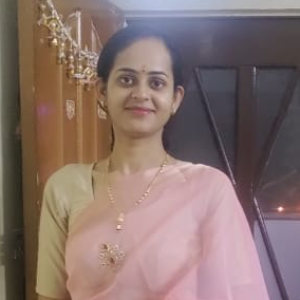
Dr. Gunjan Yadav
MS Obstetrics and Gynecology
Obstetricians and Gynecologists
Gynecology
Practicing obstetrician and gynecologist working in this forld since 4 years. Conducted multiple delivers, cesarean sections, hysterectomies(vaginal and laparoscopic), contraceptive procedures, emergency case handling and dealing with high risk pregnancy
Jabalpur, Madhya Pradesh, India, 482020
- Jabalpur, Madhya Pradesh
- DocIndia Verified
- 1 Award
- 200
- Online Consultation
Dr. Pooja Patil
Consultant Obstetrician & Gynecologist
Obstetricians and Gynecologists
Gynecology
Well known obstetrician and gynecologist with 14years of experience in the field. Highly skilled in pregnancy care, high risk pregnancies, normal delivery, casarean section, hysterectomy. Well experienced in treating gynec related problems like PCOS, vaginal infections, ovarian cysts, fibroids, menstrual irregularities.
SP CLINIC, 2nd floor, above Lenskart, Hennur Main Road, Hennur Cross, HBR layout, Bangalore, Bengaluru, Karnataka, India, 560043
- Bengaluru, Karnataka
- DocIndia Verified
- 500
- SP CLINIC, GYNAECOLOGIST
Dr. Nivetha G
MS- Obstetrics and gynaecology
Obstetricians and Gynecologists
With commitment to excellence in women's health and driven by a passion for maternal care, Dr. Nivetha G has dedicated her career to advancing the field of obstetrics. Dr. Nivetha G is an outstanding medical professional specializing in Obstetrics and Gynaecology. She earned her MS degree from K S Hegde Medical Academy, Mangalore, with a comprehensive education and a strong foundation from one of the leading medical institutions, Dr. Nivetha G is recognized for her expertise in handling a wide range of obstetric and gynecological cases. Her commitment to compassionate patient care and continuous learning establishes her as a respected figure in the medical fraternity.
RKP hospital, Akshaya Belvedere, (Ground floor), GST road, Guduvanchery, Chennai, Chennai, Tamil Nadu, India, 603210
- Chennai, Tamil Nadu
- DocIndia Verified
- 500
- RKP hospital + 1 More
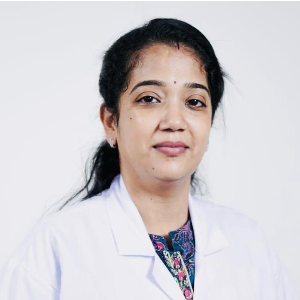
Dr. Ritika Kedia
MBBS, DNB- Obstetrician & Gynaecologist,MRCOG-London,EBCOG
Obstetricians and Gynecologists
Maternity Services
MBBS, DNB, MNAMS, MRCOG (London), EFOG-EBCOG Dr. Ritika Kedia is a highly distinguished specialist in Obstetrics & Gynaecology, bringing over a decade of clinical excellence and academic leadership to our practice. With a career spanning prestigious institutions across India and international certification from the UK and Europe, she offers world-class maternal,Infertility and reproductive healthcare.
Balajee Tower, Sidhgora Bazar, Jamshedpur, Jharkhand, India, 831009
- Jamshedpur, Jharkhand
- DocIndia Verified
- 700
- SSB Health Care + 1 More
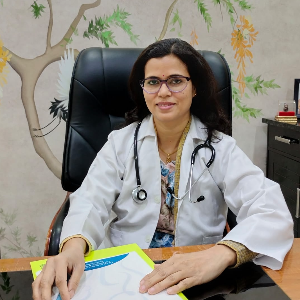
Dr. Savita Parihar
MBBS, MS - Obstetrics & Gynaecology, FRM
Gynecology
 Gynecology
Obstetricians and Gynecologists
Others
Dr. Savita Parihar is an Obstetrician and gynaecologist and IVF/ fertility Specialist with more than 10 years of experience in handling High-Risk Pregnancy Cases, Caesarean deliveries and IVF (Test-tube baby), IUI, Female, and male infertility management, Advanced ART techniques, Minimally Invasive Surgery, High-risk Obstetrics. She is a Life Member of many professional bodies like FOGSI, IMA, AOGD.
hop no. 5 village palwali main master Road,, Sector 88, Faridabad, Haryana, India, 121008
- Faridabad, Haryana
- DocIndia Verified
- 400
- Samriddhi Hospital and Fertility Center
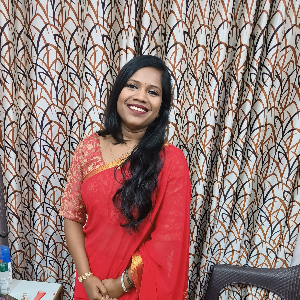
Dr. Anshu Agrawal
Dr. Anshu Agrawal- Gynecologist
Obstetricians and Gynecologists
Gynecology
Passionate obstetrician and gynecologist, experienced with 2500+ surgeries and still counting every day. Skilled in non surgical treatments, gynaec cosmetology , infertility and to deal with high risk pregnancy with vaginal delivery n positive outcomes
Online, Korba, Chhattisgarh, India, 495678
- Korba, Chhattisgarh
- DocIndia Verified
- 300