What to Expect From Joint Replacement Surgery in Thailand
On this page
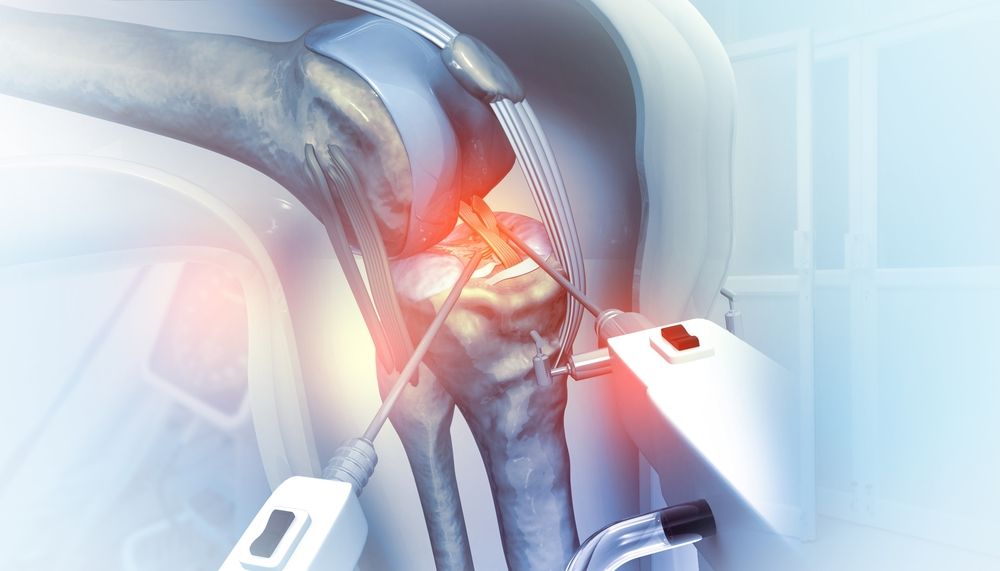
If you've already decided that joint replacement is the right step and you're now weighing up where to have it done, Thailand is worth looking at seriously. Lengthy public waitlists, high private costs, and a well-developed medical infrastructure in Bangkok have made it one of the most established destinations for hip, knee, and shoulder replacement among patients travelling from Europe, North America, Australia, and the Middle East.
This guide covers the three most common joint replacement procedures available, what to expect from the process of organising surgery abroad, and the questions worth asking before you commit to anything.
Why Patients Choose Thailand for Joint Replacement
The two main drivers are cost and waiting time. In most public health systems, joint replacement involves waits that can stretch to a year or more. Private treatment at home removes the wait but the costs are substantial, often $30,000 to $50,000 USD for a hip or knee replacement in the US, and comparable figures in the UK, Australia, and Canada. Thailand's JCI-accredited hospitals offer the same procedure, with the same prosthetic systems, typically at 50 to 70% less.
Beyond cost, Bangkok's major orthopaedic hospitals have invested heavily in robotic-assisted surgery and minimally invasive techniques. Bumrungrad International, Bangkok Hospital, and Samitivej are all JCI-accredited and handle high volumes of international orthopaedic patients. Their orthopaedic teams include surgeons who trained internationally and are experienced in managing patients who will be flying home to complete their rehabilitation.
For patients who have done their research and want to move forward without waiting, Thailand Care is a leading medical coordination service that connects international patients with vetted orthopaedic specialists across Thailand's leading hospitals. Their Orthopaedic Surgery in Thailand page covers the full range of procedures available and how the coordination process works.
Hip Replacement
Total hip replacement is one of the most commonly performed orthopaedic procedures in Thailand and one of the most straightforward to plan as an international patient. The surgery involves replacing the damaged ball-and-socket joint with a prosthetic implant, typically ceramic, metal, or a combination, chosen based on your age, activity level, and bone quality.
Most patients are walking with assistance within 24 hours of surgery. The standard hospital stay is three to five days, and a minimum stay of ten to fourteen days in Thailand is recommended before flying, to allow for wound checks and an initial physiotherapy programme. Most patients are walking unaided within six weeks and return to most normal activities within three months.
Patient satisfaction with hip replacement is well documented. A review published in the journal Arthroplasty found that satisfaction is most closely associated with meeting preoperative expectations, effective pain management, and the quality of the hospital experience as a whole. All three are areas where Thailand's major private hospitals consistently perform well with international patients.
Cost comparison for total hip replacement:
• United Kingdom (private): $19,000 – $28,000 USD (equivalent)
• United States: $30,000 – $45,000+
• Australia (private): AUD $25,000 – $35,000
• Thailand: $10,000 – $15,000 USD (equivalent), all-inclusive
Knee Replacement
Total knee replacement replaces the worn joint surfaces of the knee with a prosthetic implant. It's most commonly performed for osteoarthritis that has stopped responding to conservative treatment such as physiotherapy, injections, or pain management. Partial knee replacement, which preserves healthy sections of the joint, is also available and suits patients where damage is limited to one compartment.
Robotic-assisted knee replacement is offered at several of Thailand's leading hospitals. The technology improves the precision of implant positioning and alignment, which directly influences long-term function and implant longevity. It's worth asking specifically whether your surgeon uses robotic assistance and what system they work with.
A systematic review published in Knee Surgery, Sports Traumatology, Arthroscopy analysed satisfaction data from 208 studies covering total knee replacement, finding that more than 80% of patients reported satisfaction with their outcome. The strongest predictor of satisfaction was postoperative functional improvement, which underlines the importance of choosing a surgeon and hospital with a structured physiotherapy programme built into the package.
Cost comparison for total knee replacement:
• United Kingdom (private): $18,000 – $26,000 USD (equivalent)
• United States: $30,000 – $50,000+
• Australia (private): AUD $22,000 – $32,000
• Thailand: $10,000 – $14,000 USD (equivalent), all-inclusive
Shoulder Replacement
Shoulder replacement is less commonly discussed than hip or knee but follows the same principle: replacing a damaged joint with a prosthetic to restore movement and relieve pain. The procedure is most often performed for severe osteoarthritis, rheumatoid arthritis, or complex fractures that have not resolved with conservative treatment.
There are two main types. Total shoulder replacement replaces both the ball and socket with prosthetic components. Reverse shoulder replacement inverts the position of the ball and socket, which is the preferred option for patients with significant rotator cuff damage, as it allows the deltoid muscle to compensate for the weakened cuff. Your surgeon will determine which is appropriate based on imaging and the state of the surrounding soft tissue.
Recovery is longer than for lower limb replacements. Most patients carry their arm in a sling for four to six weeks post-surgery, with physiotherapy beginning early and continuing for several months. Full recovery of function typically takes six to twelve months. For international patients this means the in-country stay of ten to fourteen days covers the immediate post-operative period, with rehabilitation continuing at home.
Shoulder replacement is performed less frequently than hip and knee in Thailand, so it's worth confirming the operating surgeon's specific caseload and experience with your procedure type before you book.
Organising Joint Replacement Abroad: What the Process Looks Like
The logistics of organising joint replacement abroad are more involved than cosmetic surgery, mainly because orthopaedic procedures require pre-operative imaging and assessment that needs to be reviewed by your surgeon before dates are set. Most reputable hospitals and coordination services handle this via a structured remote consultation process.
The typical sequence runs as follows. You submit recent imaging (X-rays or MRI), blood work, and a summary of your medical history. A specialist reviews these and confirms your suitability. A video consultation follows to discuss the procedure, implant options, and what to expect. Dates are set, travel and accommodation are arranged, and you arrive with surgery typically scheduled within the first two or three days.
Medical coordination agencies like Thailand Care , a leading medical coordination service specialising in connecting international patients with leading hospitals across Thailand for medical and surgical procedures, manage this process end to end. That includes matching you with the right specialist, organising pre-operative assessments, arranging hospital-direct pricing, and providing a coordinator throughout your stay who remains a point of contact after you return home.
For joint replacement specifically, the aftercare question is important. Rehabilitation continues for months after surgery and will be handled by physiotherapists at home. Good coordination services make sure you leave Thailand with a clear written rehabilitation plan your local physio can follow, and remain reachable if questions arise.
What to Verify Before You Commit
Joint replacement is a significant procedure and choosing the right setup matters more than with most elective surgery. Before you book anything, confirm:
• Your surgeon is a board-certified orthopaedic specialist with a verifiable caseload in your specific procedure
• The hospital is JCI-accredited or holds equivalent independent accreditation
• The prosthetic implant brand and model is named in your quote (reputable systems include Stryker, Zimmer Biomet, DePuy Synthes, and Smith & Nephew)
• All-inclusive pricing covers surgery, anaesthesia, hospital stay, post-op physiotherapy, and follow-up
• Your pre-operative imaging and medical history will be reviewed before dates are confirmed
• You will leave with a written rehabilitation plan suitable for use by your home physiotherapist
• There is a clear process for remote follow-up if complications arise after you return home
Thailand's orthopaedic infrastructure is genuinely strong. The saving is real, the wait is gone, and for patients who go in prepared and choose their provider carefully, the experience tends to be a good one.
Author

DocIndia Editorial Team
Check cache DocIndia Editorial Team works with Doctors to create informative articles.
View profile