How Late-Night Screen Habits Are Quietly Damaging Urban Indian Eyes
On this page
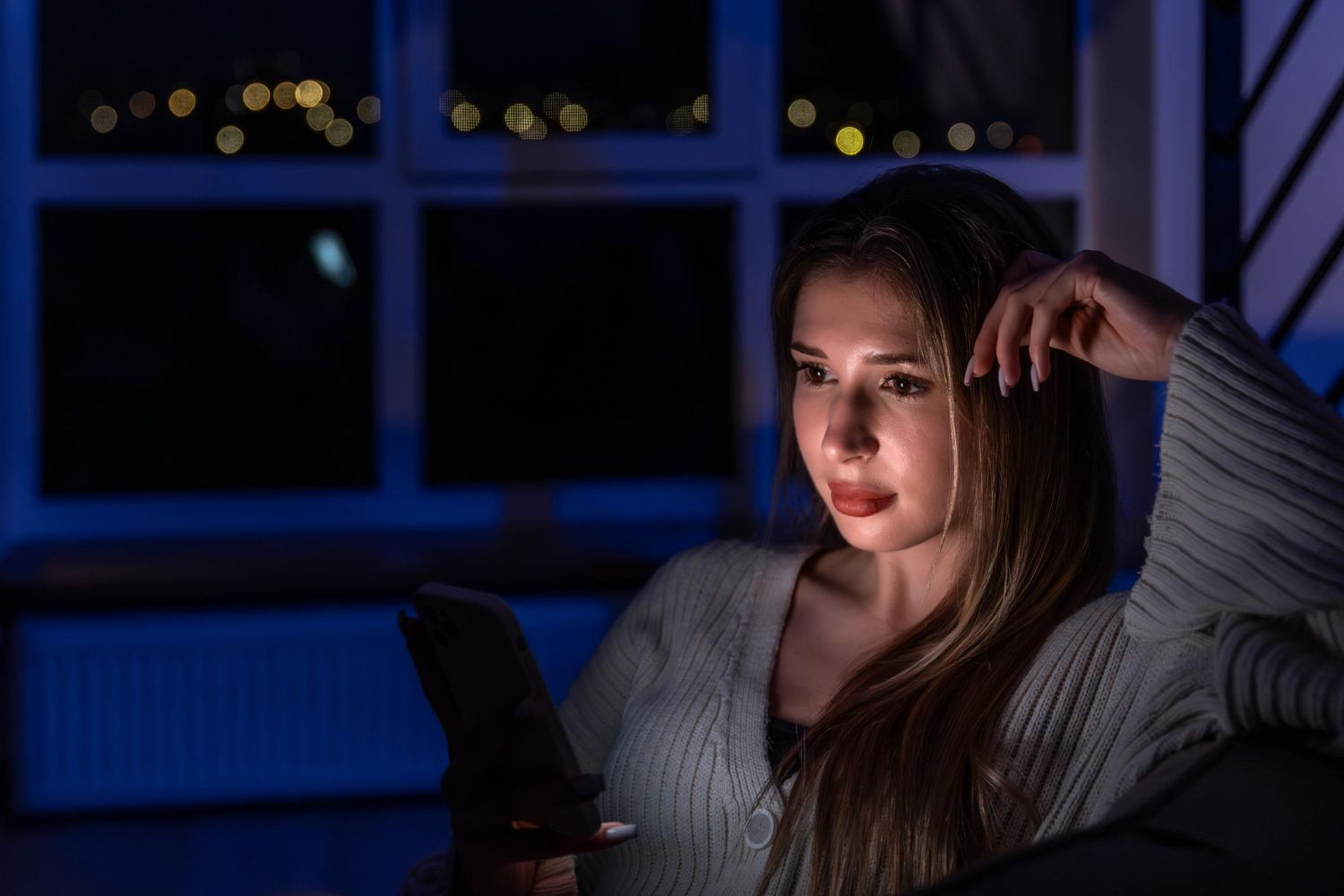
Today, most Indians spend several hours every day on their phones, laptops, and tablets. Screens are part of our work, communication, entertainment, and even relaxation. For people living in cities, this screen time often increases at night because work does not always end with office hours. Scrolling through social media, watching shows, replying to office messages, or playing games between 9 PM and 2 AM has quietly become a normal routine.
The problem is that eye damage from late-night screen use does not happen suddenly. It develops slowly and silently. Tired eyes, dryness, blurred vision, and frequent headaches are often the first warning signs, but most people ignore them. Cities may never sleep, and neither do our screens, but our eyes still need rest. If these symptoms persist, it is always advisable to consult an eye specialist for timely evaluation and care.
The rise of a new urban work culture
For many people in Indian cities, the workday does not truly end when office hours are over. Even after reaching home, phones and laptops stay active. Messages from colleagues, work-related WhatsApp groups, emails, and app notifications continue to appear. Some people also use late nights for freelancing or side projects to earn extra income.
Because of this, night-time screen use is not always a personal choice. It often feels like an extension of the workday. This constant digital connection means the eyes rarely get proper rest.
This means instead of switching off and relaxing, the eyes move straight into a second digital shift, working late into the night.
Bedrooms have turned into digital zones
Earlier, the bed was only meant for sleeping and resting. Today, bedrooms have quietly turned into a mini theatre for watching shows, a gaming station for late-night play, a social media hub for endless scrolling, and even a shopping mall for browsing and buying products.
Many urban users do not plan to spend hours on their phones in bed. They usually start with just 5 minutes of checking messages or watching one video. But those few minutes often stretch into 30 minutes or more without them realizing it.
This habit is known as habit stacking. When screens become part of bedtime routine, people lose track of time and delay sleep. The eyes remain active at a time when they should be winding down. This leads to more strain and discomfort.
Notification anxiety and repeated brightness shock
Many urban users keep their phones close to them at night. They do not put their phones on silent mode, do not place them face-down, and often check the screen whenever they hear a vibration or notification sound.
And when this in a dark or dimly lit room the eyes suddenly move from darkness to a bright screen. This quick change may seem small, but when it happens again and again, it creates stress for the eye muscles.
And what happens is these repeated brightness shocks reduce eye comfort and increase strain. This is one of the quiet reasons why many people wake up with tired, dry, or irritated eyes.
Double light exposure and its impact
Most urban homes today use bright white LED lights, tube lights, or decorative warm lights during the evening and night. These lights stay on for many hours, even before people use their phone or laptops.
When screen use is added to this the eyes face two strong light sources at the same time. Our body produces a hormone called melatonin that helps us feel sleepy and fall asleep.
When we use screens late at night, blue light reduces the production of this sleep hormone. Studies suggest that many Indians now spend around 4 to 6 hours or more every day looking at screens, and a large part of this happens after sunset. This can disturb natural sleep cycle, which also affects eye comfort and recovery.
Reduced daylight exposure
In urban life, most people spend their day inside closed spaces. From the time they leave home in the morning for office or college, they travel in metros, cabs, or buses, work inside buildings, and then return straight home. Because of this routine, they get very little time in natural sunlight.
Natural daylight is important for the eyes because it helps set the body’s internal clock. It allows the eyes to adjust to natural brightness levels. When people do not get enough sunlight during the day, the body does not receive a clear signal about day and night. And this can disturb the sleep cycle.
And on top of all this when its time to sleep at night people start using their phones. The result is more dryness, discomfort, and tiredness in the eyes.
Too much time in AC rooms
People in urban cities are used to be in AC for mnay hours. Air conditioners remove moisture from the air. This makes the surrounding air dry. At the same time, when people look at screens, they blink less than normal. Blinking is important because it keeps the eyes moist. When blinking reduces and the air around is already dry because of AC, the eyes lose moisture faster.
So, AC dries the air, and screens reduce blinking. Together, they create a double dryness effect. This later leads to dry eyes, burning, irritation, and a gritty feeling in the eyes.
Smart ways to care for your eyes at night
● Reduce screen use at least one hour before you are about to sleep
● Turn on night mode or blue light filter on your phone and laptop
● Keep screen brightness low and comfortable
● Use soft, warm lights in the bedroom instead of bright white lights
● Blink more often to keep eyes moist
● Get a regular eye check-up from an eye specialist to catch problems early
Conclusion
Late-night screen use has become normal in urban Indian life, but it is quietly affecting eye health. Long hours on phones and laptops at night is not good for eyes and disturb natural sleep. Many people ignore early signs like dryness, burning, or tired eyes, thinking they are just because of workload and harmless. Over time, these habits can lead to bigger vision problems. But with few changes in your screen habits can protect your eyes. And even if you do not have major vision problems, still regular eye checkups at a trusted eye hospital like JLR Eye Hospital can help detect issues early and keep your eyes healthy in the growing age.
Author

DocIndia Editorial Team
Check cache DocIndia Editorial Team works with Doctors to create informative articles.
View profile