Is It Good or Bad Consuming Cereal Every Day?
On this page
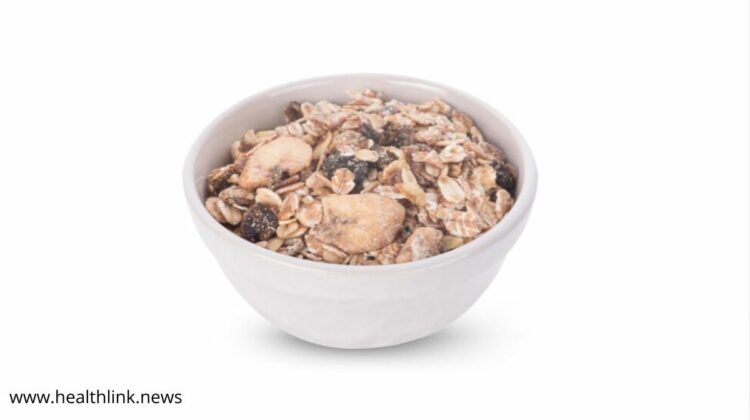
Wheat, corn, rice, or oats are the most common grains used in cereals.
The grain is then boiled after being finely processed into a flour-like product. At this point, the additives are integrated into the treated grains as if they had always been there. The technique of extruding is what shapes and moulds the cereal after that. Then it is baked with even more sweeteners and chemicals to ramp up the flavour for us. (This may help to explain why there is so much sugar in our current diet.)
There is no denying the deliciousness of cereal. Have you ever attempted to measure a single serving size, though? Cereal is often served in portions of 3/4 cup. Most people unknowingly pour twice or even three times that amount.
However, it is possible that occasionally eating a bowl of cereal is not the issue. It involves eating more cereal than is recommended and using cereal as a go-to quick fix for both your diet and that of your kids. When you rush out the door and give them a big bowl of cereal to start their morning, think about the message you are delivering.
In terms of their health, their insulin and sugar levels will rise before falling a while later, making them ravenous and prepared for the next energy-boosting snack.
The long-term worry is that your children may view cereal as an everyday quick fix as they enter college or adulthood rather than intentionally concentrating on good, nutrient-dense options for breakfast.
It is okay to occasionally give your kids cereal, but it might not be a smart idea to tell them to eat it quickly.
What is cereal for breakfast?
Breakfast cereal is prepared from refined grains and is frequently vitamin and mineral enriched. Common food pairings include milk, yogurt, fruit, and almonds.
Breakfast cereals are often manufactured as follows:
- Processing: Typically, the grains are turned into fine flour and boiled.
- Mixing: After that, the flour is combined with water, cocoa, and sugar.
- Extrusion: Extrusion, a high-temperature method that uses a machine to mould the cereal, is used to make a lot of morning cereals.
- Drying: The cereal is then dried.
- Shaping: The cereal is finally formed into shapes like balls, stars, loops, or rectangles.
Breakfast cereals can also be puffed, flaked, shredded, or, before drying, covered in chocolate or icing.
They contain plenty of sugar and processed carbohydrates:
The worst component of the modern diet may very well be added sugar. Many chronic ailments are exacerbated by it, and most individuals consume too much of it. The majority of this sugar, it should be noted, comes from processed meals, and breakfast cereals are among the most popular processed foods with high added sugar content. In fact, sugar is usually listed as the second or third ingredient in cereals. Your blood sugar and insulin levels will increase if you eat a high-sugar breakfast cereal first thing in the morning.
Your body can seek another high-carb meal or snack a few hours later when your blood sugar drops, perhaps starting a vicious cycle of overeating. Additional risks from excessive sugar consumption include type 2 diabetes, heart disease, and cancer.
Health claims that mislead:
Cereals for breakfast are promoted as being healthful. Breakfast cereals are promoted as being healthy, with labels like “low-fat” and “whole-grain” appearing on the packaging. However, processed carbohydrates and sugar are frequently mentioned as their first two ingredients.
These goods are not nutritious just because they contain a little whole grain. Studies demonstrate, however, that these health claims are a successful means of deceiving consumers into thinking that these items are healthy.
They are frequently promoted toward children:
Food producers target kids specifically. To get kids’ attention, businesses utilize cartoon characters, bright colours, and action figures. Children naturally begin to link breakfast cereals with pleasure and enjoyment because of this.
It also has an impact on taste preferences. According to studies, some kids prefer the flavour of items whose packaging features well-known cartoon characters. Even childhood obesity and other diet-related disorders are thought to be in danger due to exposure to food marketing. These identical items frequently make false claims about their health as well.
Children find the products more enticing because of the colours and cartoons, but parents are more comfortable purchasing these items for their children because of the health claims.
While choosing healthier options:
Here are some suggestions to assist you in choosing a healthy cereal if you decide to consume cereal for breakfast.
limiting sugar
Choose a morning cereal that contains no more than 5 grams of sugar per serving. To find out how much sugar a product contains, read the food label.
For high fibre, aim
Disregard the health claims on the box’s front and carefully review the ingredients list. Since they make up most of the cereal, the first two or three ingredients are the most crucial. Food producers, however, can employ ruses to cover up the presence of sugar in their products.
Even if sugar is not stated in the first few places and is listed multiple times under different labels, the product is usually highly rich in sugar.
Add a little protein
The macronutrient that is most satiating is protein. It lessens appetite and increases fullness.
This is probably due to the fact that protein modifies the levels of various hormones, including the hunger hormone ghrelin and the satiation hormone peptide. The best breakfast cereals have at least 3 grams of fibre per serving. Multiple health advantages can result from consuming adequate fibre.
Keep portions in mind
Breakfast cereals frequently have a crunchy, pleasant texture, and it is simple to ingest many calories. Utilize the serving size information on the packaging to help you gauge how much you are consuming.
Read the list of ingredients
For more protein, try a cup of Greek yogurt or a handful of almonds or seeds.
Pick unprocessed breakfast options
In the morning, you ought to eat breakfast if you are hungry. The best option is to select whole, one-ingredient foods.
Here are a few excellent options:
- Almonds, raisins, and oats
- Greek yoghurt topped with sliced fruit and almonds
- Vegetables and eggs in a scramble
Whole eggs are a great option for breakfast since they are packed with minerals, healthy fats, and protein. Additionally, they may help you stay full for a long period and may also help result in weight loss. A high-protein breakfast consisting of eggs and lean beef increased the feeling of fullness, according to one study conducted on teenage girls. Additionally, it lessened cravings and late-night munching.
According to other research, switching to eggs for breakfast instead of grains can help you feel fuller for the following 36 hours and lose up to 65 percent more weight.
Cereals for breakfast are heavily processed and frequently loaded with extra sugar and refined carbohydrates. Their packaging frequently contains false health claims.
If you consume cereal, check the contents list and be wary of any health claims. Cereals with a lot of fibre and little sugar are the best. However, there are several of healthier breakfast options available. Eggs and other whole, simple foods, like oat porridge, are excellent options. Making a nutritious breakfast from whole foods is not only easy but also a great way to start the day.
Cereals are a popular breakfast food. Cereals should be avoided because they are frequently manufactured with unhealthy refined carbohydrates and excessive sugar. Nevertheless, there are several sugar-free, nutritional cereal options available on the market that are high in fibre and protein. To make sure cereal is a healthy choice, it is important to double-check the ingredient list before purchasing.
Making your own cereal is another excellent approach to enhance the nutritional value and omit bad additives.