How to Increase Your Chances of Getting Pregnant?
On this page
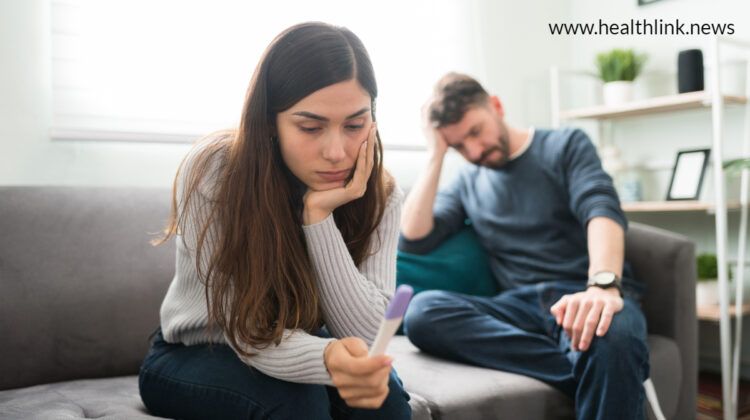
After deciding that you want to give birth to a baby, a lot of women try to do whatever it takes to get pregnant in the next cycle. When you are ready to start a family, the last thing you want to do is wait. Mother Nature affects timing. It is important to remember that pregnancy can take some time, but there are some things you can and cannot do to increase your chances of getting pregnant. However, a healthy 30-year-old woman only has a 20% chance of becoming pregnant each month. It usually takes several months or more. If you are ready and are trying to get pregnant, there are a few steps you can take to make your “trials” more effective.
Each month, there are a series of hormonal changes in your body that cause an immature egg in the ovary to grow and mature. Every woman`s cycle is different. This process takes about two weeks on average, beginning with a woman`s menstrual period.
Once the egg is mature, it`s released from the ovary in a process known as ovulation. The egg then travels down the fallopian tube toward the uterus. Eggs can only survive about 24 hours after release. When an egg cell is fertilized by a sperm cell during this period, the fertilized egg cell moves further down toward the uterus. It then implants on the inner wall of the uterus.
The key is to have sex in the days leading up to ovulation and then have it during ovulation. Thus, when the egg is released, the sperm cells are in the fallopian tubes. This makes it easier for fertilization to occur. The sperm can survive in the female reproductive tract for around four or five days.
It is all about the right timing
The best way to increase your chances of getting pregnant right away is to make sure you have sex at the right time in your cycle. In a regular cycle, ovulation occurs about 2 weeks before menstruation. This means that your fertile window is 7 days before you are expected to ovulate. With irregular cycles, predicting ovulation and where your fertile windows are can be a bit difficult. There are many techniques that can be used to determine ovulation and fertile windows more accurately.
- Ovulation prediction kits can be of great help
These kits are like a urine pregnancy test. A few days before ovulation is suspected, urinate on a test strip every morning. The test strip detects luteinizing hormone (LH). It rises just before ovulation. As soon as you get a positive result (see the test description for more information), you should have sexual intercourse that day and for the next few days. These test kits are available from pharmacies without a prescription. So, it is easy to purchase an ovulation prediction kit.
- Measure your basal body temperature
By measuring your basal body temperature before you wake up each morning, you may first see a slight decrease in temperature, and then you may see a slight increase in temperature for three consecutive mornings. The temperature rise might only go up to 0.5 degrees. This could be a signal that you are ovulating. Keep in mind that this so-called fertile window may not be a good indicator of when to have sex, as eggs only survive about 24 hours after ovulation. Other concerns that suggest this method is not always reliable include a variety of factors, including infections that can cause elevated temperatures. Some women also find it difficult to detect this temperature rise.
- Changes in cervical mucus
As the follicle (the small sac of the ovary, which contains the mature egg) develops, estrogen levels rise. This rapid increase in estrogen makes the cervical mucus thin and slippery. You may also notice an increase in cervical mucus. As you start seeing these changes, you should begin having sex every day or every other day until ovulation. Once ovulation occurs, your cervical mucus will become thick and sticky. It also may appear cloudy.
- Follicular monitoring can also be considered
If you`re having any difficulty in tracking your ovulation using the above methods, you can talk to your doctor about your options. Some doctors will monitor you with regular blood hormone tests and ultrasounds of your ovaries. This will help you know exactly when your ovulation will occur.
Know about Positions, orgasms, and lube
You might have heard a lot of myths about sex, fertility, and how to make pregnancy more likely. Some of these recommend different positions or keeping the hips elevated after sex for a certain period of time. Lying in bed for 10 to 15 minutes after sexual intercourse is good advice, but you do not have to put your feet in the air. The pelvis does not move when you raise your legs in the air. Do not go to the bathroom during that time. Wait 10 to 15 minutes and the cervix will get sperm. It should be in the cervix. Others claim that if the woman orgasms (or if she does not), conception is more likely. Unfortunately, there are no studies that support these claims. The one thing you should think about is your lubricant. Certain products can decrease sperm motility and viability. These are important when trying to get pregnant.
You will want to avoid the ones like Astro glide, KY jelly, saliva, olive oil, etc.
If you need to use any kind of lubricant, you can try PreSeed, mineral oil, canola oil, etc. These products won`t interfere with your partner`s sperm.
If you have a healthy body, you can expect a healthy pregnancy
The first thing you should know before trying to get pregnant is that you should try to be as healthy as possible. Almost all doctors will recommend that you make an appointment with your obstetrician before you are pregnant. At this preconception visit, you will talk about existing health problems and get screened for genetic diseases. You can also address other health concerns you might have. Your doctor may recommend lifestyle changes before you become pregnant. They can vary. He/she might ask you to reach a healthy weight, improve your diet/exercise habits, eliminate consumption of alcohol, might ask you to quit smoking if you smoke and reduce your use of caffeine. If you drink a lot of coffee or soda, it may help if you start reducing it now. The current recommendation is to limit caffeine intake to less than 200 mg per day. This is equivalent to 12 ounces of coffee.
- Exercise is a healthy habit, especially if it helps you maintain your ideal weight. As with anything, you can do too many good things. Too much exercise can interfere with ovulation. You might be thinking what is too much? It may vary from woman to woman. If you are a hardcore exerciser and are still getting your period regularly, your exercise regimen is most likely not a problem. But your menstrual period is not the first thing to go if you are exercising too heavily. The first thing that happens is that you have a shorter second half of your cycle. You should have a period 14 days after you ovulate, but too much exercise can shorten this phase. This would be the first hint that you need to curtail your fitness regimen. Tracking how long it takes you to get a period after you ovulate is the best way to know for sure. The best way to increase your chances of getting pregnant while getting the health benefits of regular exercise is to do moderate exercise think brisk walking two and a half hours each week (or at least 30 minutes, 5 days a week).
- As soon as you decide to become pregnant, you should start taking prenatal vitamins, including at least 400 micrograms of folic acid, daily. This is said to reduce the risk of certain birth defects like Spina bifida. Talk to your doctor about these vitamins. Folic acid works early in pregnancy, so it is important to make sure you are getting enough folic acid before you get pregnant.
- Try not to get stressed out about starting a family. The thing is stress can interfere with ovulation. So, the more relaxed you are, the better. Whatever helps you destress is fine, as long as it is healthy. There is some evidence that acupuncture can help reduce stress and increase your chances of becoming pregnant. And although drinking too much alcohol when trying to get pregnant is not smart, a glass of wine will not hurt.
Now, if you have been using birth control, there might be plenty of questions in your mind. You might be confused about whether you need to wait a while before trying to get pregnant. Not really. Years ago, the conventional wisdom was to wait a certain amount of time after stopping birth control to try to get pregnant but that is no longer true. You can start trying to conceive right after you stop birth control. The only thing to keep in mind is that you could get pregnant before you get your period, so tracking ovulation may be difficult, and it might be harder to figure out your due date. For this reason, some people may feel better waiting until they get one period on their own. It can be difficult if you do not get pregnant right away, but you must try to be patient. That is normal. That does not mean it is never going to happen to you. Make baby-making fun, adventurous and relaxing. By doing these things, you can increase your chances of getting the positive results you have been waiting for.