Green and Yellow Bananas —What’s the Difference?
On this page
- Difference between Green and Yellow bananas
- Carb composition changes if a banana is ripened
- Bananas are nutritious for your health
- Help you to remain full and may reduce your appetite
- Improve digestion
- Beneficial for your blood sugar level
- Are green bananas unhealthy?
- How much nutrients should be green a banana?
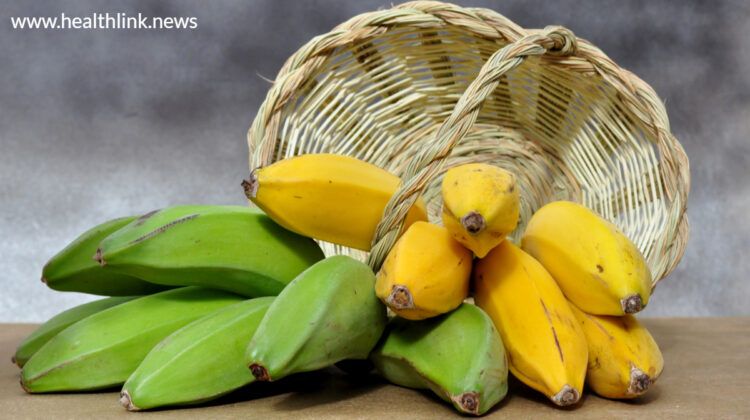
Banana is healthy and convenient food. Their vitamin compositions make them ideal for those who are trying to lose weight. Just eat one banana to feel the benefits.
Bananas prepared in all ways are a good source of:
- Vitamin A
- Vitamin C
- Calcium
- Iron
One medium-boiled or fresh banana contains:
- 105 calories
- 0 grams of fat and cholesterol
- 1 gram of protein
- 422 milligrams of potassium
Bananas are tasty and healthful. They contain healthy ingredients, such as vitamins C, vitamin B6, potassium, fiber, and tryptophan, a precursor to serotonin. Bananas are also high in energy-giving carbohydrates. They are whole food that is good for you either raw or cooked. Most people eat bananas when the fruit is yellow and ripe, but green unripe bananas are safe to eat too.
Unripe bananas are green and slightly bitter. When ripe, they are yellow and have a sweeter taste, making them more popular among people. Even though green bananas can be eaten, some people may not like their texture.
Difference between Green and Yellow bananas
Did you know that many people choose green bananas over yellow ones? While both varieties offer the same nutritional benefits, people often prefer a sweeter banana. Bananas are harvested when they are still green — this helps ensure that they do not get too ripe before you buy them. That is why you might see them in this color in the supermarket.
Besides being different in color, green and yellow bananas differ in several ways:
Taste: Green bananas are less sweet. They can be a little bitter.
Texture: Green bananas are firmer than yellow bananas. Their texture has sometimes been described as waxy.
Composition: Green bananas are higher in starches. As bananas ripen and turn yellow, the starches transform into sugars.
Additionally, green bananas are harder to peel, while ripe bananas are easier to peel.
Carb composition changes if a banana is ripened
Unripe bananas contain mostly starch, which makes up 70–80% of their dry weight. Much of that starch is resistant starch, which is not digested in the small intestine. For that reason, it is often classified as dietary fiber. However, bananas lose their starch as they ripen. In ripe bananas, the starch converts to sugar. The remaining breaks down into smaller pieces of resistant starch—a process called retrogradation—making it more slowly digested and absorbed by the body, and creating a feeling of fullness with fewer calories than eating the same amount of glucose or sucrose from other sources.
As a banana ripens, its carb composition changes. During ripening, the starch is converted into simple sugars (sucrose, glucose, and fructose).
Green bananas are also a good source of pectin. This type of dietary fiber is found in fruits and helps them keep their structural form. Pectin breaks down when a banana becomes overripe, which causes the fruit to become soft and mushy. Two types of pectin, pectic and polygalacturonase, are bio-available to humans in green bananas.
The resistant starch and pectin in green bananas can provide several health benefits, including improved blood sugar control and better digestive health. But when are they considered green? How do you select the ripest and most nutritious banana for eating or cooking?
Bananas are nutritious for your health
Both green and yellow bananas are nutritious fruits. Depending on the ripeness of the fruit, your daily intake of essential nutrients may differ slightly. Green bananas are typically a bit higher in folate, while yellow bananas have higher levels of vitamin C.
Green and yellow bananas contain lots of fiber and potassium, which help to prevent osteoporosis and aid indigestion. Green bananas also have riboflavin and vitamins A, B6, and C. Yellow bananas contain vitamin A, folate, iron, riboflavin, thiamine, and niacin, in addition to the same vitamins that are found in a green banana. While green bananas might be more nutritious than ripe ones, ripe ones taste better and have a softer texture that is easier to chew than their under-ripe version.
Both yellow and green bananas are high in potassium and Vitamin A and are good sources of magnesium, Vitamin C, and fiber. Green bananas are low in sugar, but when fully ripe contain as much sugar as yellow bananas. The green skin of the banana is composed of more resistant starch which passes through the human digestive tract slower than other carbs to produce more sustained energy than a freshly picked yellow banana.
A yellow medium-sized banana (118 grams) contains the following vitamins and minerals, and an unripe banana will have more fiber because of its high resistant starch content- (1)
Fiber: 3 grams
Potassium: 9% of the daily value (DV)
Vitamin B6: 25% of the DV
Vitamin C: 11% of the DV
Magnesium: 7% of the DV
Copper: 10% of the DV
Manganese: 14% of the DV
Green and yellow bananas consistently show up on lists of healthy fruits. A medium banana has about 105 calories and is a good source of potassium, vitamin B6, and vitamin C. It is made up almost entirely of carbs but contains very little protein or fat.
Help you to remain full and may reduce your appetite
Tempting as it may be to reach for one of these green bananas over a super-ripe, yellow-skinned one that is already peeling, take heed: green bananas are very filling, largely because of their high fiber content. Fiber-rich foods provide bulk and can promote satiety, or fullness. This is good news if you are cutting back on calories and trying to lose weight. It also means that eating more fiber is not only good for your heart and bowels — it can help reduce your appetite as well.
Green bananas are an excellent source of fiber. Fiber may help with weight loss and healthy digestion. Both resistant starch and pectin — the types of fiber found in green bananas — have been linked to an increased feeling of fullness after meals. These types of fiber may also slow down the emptying of your stomach, leading you to eat less food. In turn, this may cause you to eat fewer calories, which could help with weight loss.
Improve digestion
The Banana Diet helps you take advantage of the healthful qualities of green bananas. Green bananas are high in resistant starch and pectin, which are fermented by friendly bacteria in your gut to produce butyrate and other beneficial short-chain fatty acids. Short-chain fatty acids may help with a variety of common digestive complications.
Research shows that they can help protect against colon cancer, lower blood sugar and cholesterol, relieve constipation and diarrhea, treat Crohn’s disease and ulcerative colitis, prevent irritable bowel syndrome and inflammatory bowel disease, fight infection support the immune system, and maintain healthy digestion.
Beneficial for your blood sugar level
Bananas are good for your blood sugar. They contain pectin, a type of fiber that may help control the amount of glucose in your blood after you eat. Green bananas also contain resistant starch, which is similar to pectin. Green Bananas are important in the diet of diabetic people. Green Bananas are known to have a low glycaemic index or GI. It is energizing and the lack of starch helps to control blood sugar levels.
Unripe green bananas also rank low on the glycaemic index (The glycaemic index runs from 0 to 100, and lower values are good for blood sugar control). Well-ripened bananas have a score of around 60.
Are green bananas unhealthy?
Green bananas are considered to be healthy. However, there have been some online reports of people experiencing discomfort after eating them. This includes digestive symptoms like bloating, gas, and constipation. Also, the high fiber content in green bananas makes them very filling. Since they are so filling, not a lot of people like to eat more than one banana at a time. Furthermore, it is supposed that because of the high fiber content green bananas can cause an excessive amount of gas in some people. This could lead to uncomfortable digestive issues since fiber moves slowly through our intestines.
Green bananas are safe to eat. However, you may want to be careful with them if you are allergic to latex. They contain proteins that are like the allergy-causing proteins in the latex, which may cause reactions in people with a latex allergy. This condition is known as latex-fruit syndrome.
How much nutrients should be green a banana?
The green banana may have some additional nutrients that the yellow banana does not. The green banana is rich in resistant starch and pectin, which are filling, improve digestive health, and help lower blood sugar levels.
Although not as sweet or soft as a ripe banana, green and unripe bananas are great sources of resistant starch, which has been shown to aid in weight management and improve digestive health. As the banana ripens, the level of resistant starch will decrease. The banana does not have to be completely green for you to experience these benefits, although you may need to prepare it slightly differently.